
Art VCA Dual
4.1Editor score
Dual-channel rackmount design
Classic VCA circuit architecture
Sidechain insert for ducking
XLR and TRS connectivity
This guide compares the top ten hardware compressors for home studios, evaluating sound quality, features, and value for producers seeking professional
Hardware compressors remain essential tools for home studios seeking professional dynamics control without relying solely on plugins. These devices shape the energy and clarity of recordings by managing volume spikes and enhancing presence across various instruments and vocals.
We evaluated ten distinct models based on their circuit topology, feature sets, and real-world performance in mixing scenarios. Our analysis prioritizes units that offer transparent processing, robust build quality, and intuitive controls suitable for both beginners and experienced engineers.
Each pick highlights specific strengths such as optical warmth, VCA precision, or versatile channel strip capabilities. Please note that prices fluctuate frequently due to market conditions, so always verify current costs before making a final purchasing decision for your setup.
4.1Editor score

4.5Editor score

3.4Editor score
The following table provides a side-by-side comparison of all ten selected hardware compressors to help you quickly identify key specifications and capabilities relevant to your specific studio workflow and budget constraints.



The dbx 286s stands out as a comprehensive channel strip processor ideal for home studios needing all-in-one dynamics and tonal shaping. It offers compression, de-essing, enhancement, and gating in a single 1U rack unit with robust LED metering for precise monitoring.
We may earn a commission when you buy through this link, at no additional cost to you.
Its classic dbx compression effectively reduces dynamic range to balance loud and quiet elements ensuring vocals sit clearly in mixes. The enhancer adds punch and shimmer to high and low frequencies while the de-esser tames harsh sibilance without affecting overall clarity.
Some users may find the array of controls slightly complex at first requiring careful setup to avoid over-processing. The loop-out jack is useful for adding external gear but requires signal chain knowledge to route correctly within your studio configuration.
This unit is perfect for vocalists and multi-instrumentalists wanting professional-grade dynamics without buying separate boxes. Its floating balanced XLR input ensures clean signal acquisition making it a reliable centerpiece for any serious home recording environment today.
Combines four effects in one unit to save rack space and simplify signal routing for efficient recording sessions.
LED meters show processor status and audio levels clearly allowing quick adjustments without relying solely on ears.
We may earn a commission when you buy through this link, at no additional cost to you.
This dual-channel rackmount compressor offers a budget-friendly entry into hardware dynamics control with smooth and consistent level management for various sound sources. Its classic VCA circuit enhances vocal clarity and warmth making it suitable for studio vocals and live applications.
We may earn a commission when you buy through this link, at no additional cost to you.
The built-in noise gate reduces ambient noise effectively while the sidechain insert supports frequency ducking for tightening bass or kick drums. Adjustable attack and release settings provide precise dynamic shaping ideal for modern production needs without breaking the bank.
Build quality is standard for this price range which might lack the ruggedness of higher-end units. The controls are straightforward but lack advanced nuances found in expensive models limiting fine-grained sculpting options for mastering or detailed mixing.
It suits producers needing reliable compression on a tight budget for vocals or streams. The professional connectivity ensures clean signal routing making it a practical choice for beginners building their first hardware chain efficiently.
Delivers essential dynamics processing at a fraction of the cost of premium units while maintaining professional standards.
High quality XLR and TRS inputs integrate seamlessly with mixers and interfaces for versatile studio setups.
We may earn a commission when you buy through this link, at no additional cost to you.
The Warm Audio WA-1B brings classic optical compression into modern home studios with a 1-channel tube design that delivers smooth and musical dynamics. It uses high-quality components and transformers to replicate vintage warmth that digital plugins often struggle to emulate accurately.
We may earn a commission when you buy through this link, at no additional cost to you.
Its optical circuit provides natural gain reduction that avoids harsh artifacts on vocals or guitars making it ideal for mastering and subtle mixing tasks. The build quality reflects its premium price with a sturdy chassis and professional audio connections for reliable performance.
The price point may be prohibitive for beginners compared to VCA or FET options available at lower costs. Controls are minimal focusing on simplicity rather than extensive parameter tweaking which limits precise dynamic shaping for complex mixing scenarios.
This unit is perfect for engineers seeking authentic analog coloration for critical tracks. Its unique tone justifies the investment for professionals aiming to elevate mixes with genuine hardware texture and depth effectively.
Tube based optical design captures the natural and soft compression curve found in vintage studio gear.
Built with custom transformers and high grade electronic parts to ensure durability and consistent audio performance.
We may earn a commission when you buy through this link, at no additional cost to you.
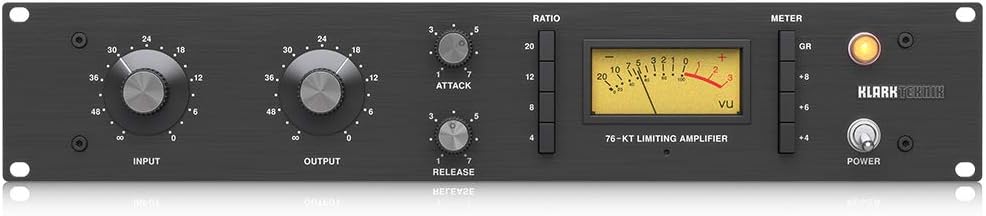
This unit models the iconic 1176LN FET compressor style with a completely discrete signal path to deliver punchy and aggressive compression. Its Class-A output amplifier ensures high fidelity while custom MIDAS transformers contribute to a rich and cohesive tone.
We may earn a commission when you buy through this link, at no additional cost to you.
Push button controls for ratios like 4:1 and 20:1 allow quick adjustments to tame peaks or add sustain effectively. The unit handles drums and guitars well making it suitable for parallel compression techniques in busy mixes requiring clarity.
The ratio selection is fixed which might restrict users needing subtle variations between settings. Being single channel limits stereo processing options unless two units are purchased which doubles the rack space and cost for balanced setups.
It suits engineers wanting vintage character without the full expense of original hardware. The discrete path and transformers ensure a professional sound that enhances tracks with harmonic richness and dynamic control effectively.
Fully discrete design preserves signal detail and clarity while minimizing noise and distortion during compression.
Fixed ratios modeled after classic hardware simplify workflow for users familiar with standard FET compression curves.
We may earn a commission when you buy through this link, at no additional cost to you.
ART Solo VLA is a single channel multi-voice compressor rated highly by users for its versatile control options and audio quality. It allows switching between tube and solid state modes to suit different genres while maintaining a mastering quality signal path throughout.
We may earn a commission when you buy through this link, at no additional cost to you.
Optical isolators ensure smooth gain reduction without audible pumping artifacts. The variable blend control lets you mix uncompressed and compressed signals for parallel processing easily making it ideal for adding density without losing transients or natural dynamics.
Users report a steep learning curve due to the unique blend and multi-voice features. The single channel design means you need two units for stereo pairs which adds to cost and rack space usage in a full production setup.
This compressor is best for soloists or vocalists needing versatile shaping options. The blend feature provides creative flexibility that is hard to find in traditional units making it a standout for detailed audio production work.
Switching between tube and solid state allows matching the compressor to different source characteristics and styles.
Variable dry and wet signal mix enables parallel compression techniques without needing complex external routing.
We may earn a commission when you buy through this link, at no additional cost to you.
This dual-channel black dynamic processor delivers precision control over every sound source with smooth and natural dynamics management. Advanced Overeasy compression and auto attack/release settings allow intuitive shaping of vocals and instruments without manual tweaking.
We may earn a commission when you buy through this link, at no additional cost to you.
The classic VCA circuit enhances vocal warmth and detail to bring vocals to the front of the mix effectively. Built-in noise gate and visual LED indicators help fine-tune settings confidently while reducing unwanted background noise in live environments.
Generic branding makes it difficult to verify long-term support or warranty services compared to established audio manufacturers. The manual is basic which may lead to setup errors for users unfamiliar with sidechain or gain reduction concepts.
It suits streamers and home producers needing reliable vocal compression at an accessible price. The professional XLR connectivity ensures it integrates easily into existing setups for consistent performance.
Smooth transition into gain reduction prevents audible artifacts during soft signal levels and transients.
Automatic settings adapt to input signals reducing the time required to tune compressor parameters for each track.
We may earn a commission when you buy through this link, at no additional cost to you.
The Behringer 369 captures the sound of the Neve 33609 to offer rich vintage tone and cohesive glue to mixes. Developed with engineers who worked with Rupert Neve it ensures authentic sound while meeting modern production needs with precision.
We may earn a commission when you buy through this link, at no additional cost to you.
Dual channel flexibility provides both compressor and limiter modes for subtle musical compression and aggressive peak control. Smooth compression controls allow sculpting dynamic range without compromising natural signal characteristics thanks to adaptive presets.
Users note the price point is higher than typical Behringer gear which might deter budget focused buyers. The recovery control adapts to input signals which is useful but limits manual fine-tuning options for specific dynamic scenarios.
This unit is perfect for stereo buses and drums needing cohesive compression. Its sturdy chassis and stereo options make it suitable for both studio and live sound environments requiring reliable performance.
Collaboration with Rupert Neve ensures authentic vintage sound characteristics that add warmth and glue to mixes.
Presets on recovery control adapt to input signals ensuring smooth dynamics without requiring constant manual adjustment.
We may earn a commission when you buy through this link, at no additional cost to you.
The ART SCL2 offers dual channel or linked stereo operation with balanced inputs and precise LED level meters for clear visual feedback. Selectable auto or manual attack and release modes provide flexibility for different dynamic processing needs.
We may earn a commission when you buy through this link, at no additional cost to you.
Stereo mode balance control allows users to adjust the mix between channels ensuring consistent sound across stereo inputs. The unit is affordable yet delivers solid performance for vocals and instruments in both recording and live contexts.
The design is older which may lack features like sidechain inputs found in modern compressors limiting frequency ducking options. Manual controls are simple which is great for beginners but might feel limiting for experienced engineers seeking detailed adjustments.
It suits home studios needing a budget-friendly stereo dynamics tool. The balanced inputs and meters ensure clean integration into existing setups making it a practical addition to any rack.
Linking channels allows for true stereo processing where both sides react identically to dynamic changes.
Users can choose between automated settings for ease or manual precision for creative control over transients.
We may earn a commission when you buy through this link, at no additional cost to you.
This stereo VCA bus compressor features Cinemag transformers and five compression ratios to deliver fast and accurate response. The sidechain filter provides targeted frequency control to prevent low end from triggering compression and maintain clarity.
We may earn a commission when you buy through this link, at no additional cost to you.
Cinemag transformers contribute to a rich and cohesive sound that glues mix elements together effectively. The VCA circuit ensures precision and speed making it ideal for drum and bus compression where consistency is key.
The ratio selection is limited to five options which may restrict users needing specific ratios like 3:1 or 6:1. The price is higher than some competitors but justified by the premium components and transformer quality used.
It suits engineers needing a reliable stereo bus compressor for mixes. The transformers and sidechain filter offer a classic sound with modern convenience for professional production environments.
Custom built transformers provide warm and rich harmonic coloration that enhances overall tone and depth.
Filter prevents low frequencies from triggering compression allowing more precise control over dynamic range.
We may earn a commission when you buy through this link, at no additional cost to you.
The dbx 266xs is a professional compressor and gate offering smooth release characteristics and error proof operation for studio use. Separate precision LED displays for gain reduction and thresholds allow accurate setup and monitoring of dynamic processing.
We may earn a commission when you buy through this link, at no additional cost to you.
New gate timing algorithms ensure the smoothest release characteristics to avoid clicking or breathing artifacts. Program adaptive expander/gates adjust to input signals providing flexible dynamics control for any type of program material.
The unit focuses on basic compression and gating without extra features like de-essing or enhancement. Some users find the gate threshold adjustment requires patience to set correctly without cutting off natural decay of signals.
It suits studios needing reliable dynamics and noise gating without extra cost. The rackmount design and LED feedback make it practical for portable or fixed home setups.
Gate adapts to signal levels to ensure smooth transitions and avoid harsh truncation of audio tails.
Visual indicators for threshold and gain reduction simplify setup and monitoring during critical mixing tasks.
We may earn a commission when you buy through this link, at no additional cost to you.
Choosing the right hardware compressor requires understanding how topology, features, and connectivity impact your specific workflow. Below are key factors to consider before making your final decision.
Compressors use VCA FET optical or tube circuitry each producing distinct tonal colors. VCA offers precision and speed ideal for buses while optical provides smooth warm compression great for vocals.
Select a topology that matches the character you want for your recordings or mixing needs.
Dual or stereo units allow processing of stereo signals without needing two separate boxes. However single channel models are sufficient for individual tracks and cost less.
Decide if you need stereo processing or are focusing on mono sources.
Look for controls like ratio attack release and threshold as well as advanced options like sidechain inserts or blend knobs. De-essing and enhancement features reduce the need for additional gear.
Ensure the unit offers the specific controls you need for your workflow.
XLR and TRS inputs ensure balanced signals reduce noise. Insert points allow external signal processing while sidechains enable frequency ducking for advanced dynamic control.
Check that inputs match your existing interface or mixer.
Rackmount units with metal chassis and durable knobs withstand frequent transport and usage. Transformers contribute to better sound quality and longevity compared to cheaper alternatives.
Invest in units with robust construction for long term reliability.
Prices vary widely based on brand and features. Balance what you need with what you can afford focusing on essential features first before adding optional capabilities.
Don't overspend for features you won't use regularly.
Connect your signal source to the input and route to output to ensure correct signal flow. Use the meters to set thresholds so gain reduction activates only when needed.
Start with moderate ratios and adjust attack and release to balance dynamics without losing natural transients. Use sidechain filters if low end triggers unwanted compression.
Store the unit in a dry place and avoid excessive heat to preserve internal components. Regular dusting and proper cable management extend the lifespan of connectors and controls.
Hardware compressors often provide a unique tonal character and tactile workflow that plugins cannot fully replicate. However plugins have improved significantly and can achieve comparable results depending on the quality of plugins and converters used.
A sidechain insert lets you route an external signal to trigger compression. This is commonly used for ducking bass when kick drums hit or to prioritize vocals over other instruments.
Set threshold so gain reduction occurs only on peaks you want to control. Start with ratios around 4:1 for vocals or 2:1 for buses to avoid over compressing the signal.
Optical compressors generally have slower attack and release times due to the nature of the light cell circuit. This makes them ideal for smooth natural compression but less suitable for taming sharp transients.
Yes many compressors are designed for both studio and live use. Ensure the unit has robust build quality and easy controls for quick adjustments during performances.
Not always but a gate helps reduce background noise between notes or phrases. If you record in noisy environments a gate is valuable; otherwise it may be optional depending on your setup.
We covered ten top hardware compressors ranging from budget friendly VCA units to premium optical designs. Each model offers unique strengths whether you need precise bus control or warm vocal coloration.
Prioritize units that match your topology preference and connectivity needs to ensure seamless integration with your existing gear. Consider whether single channel or stereo operation fits your workflow before purchasing.
Prices fluctuate frequently so always verify current costs and availability before making a final decision for your home recording setup today.