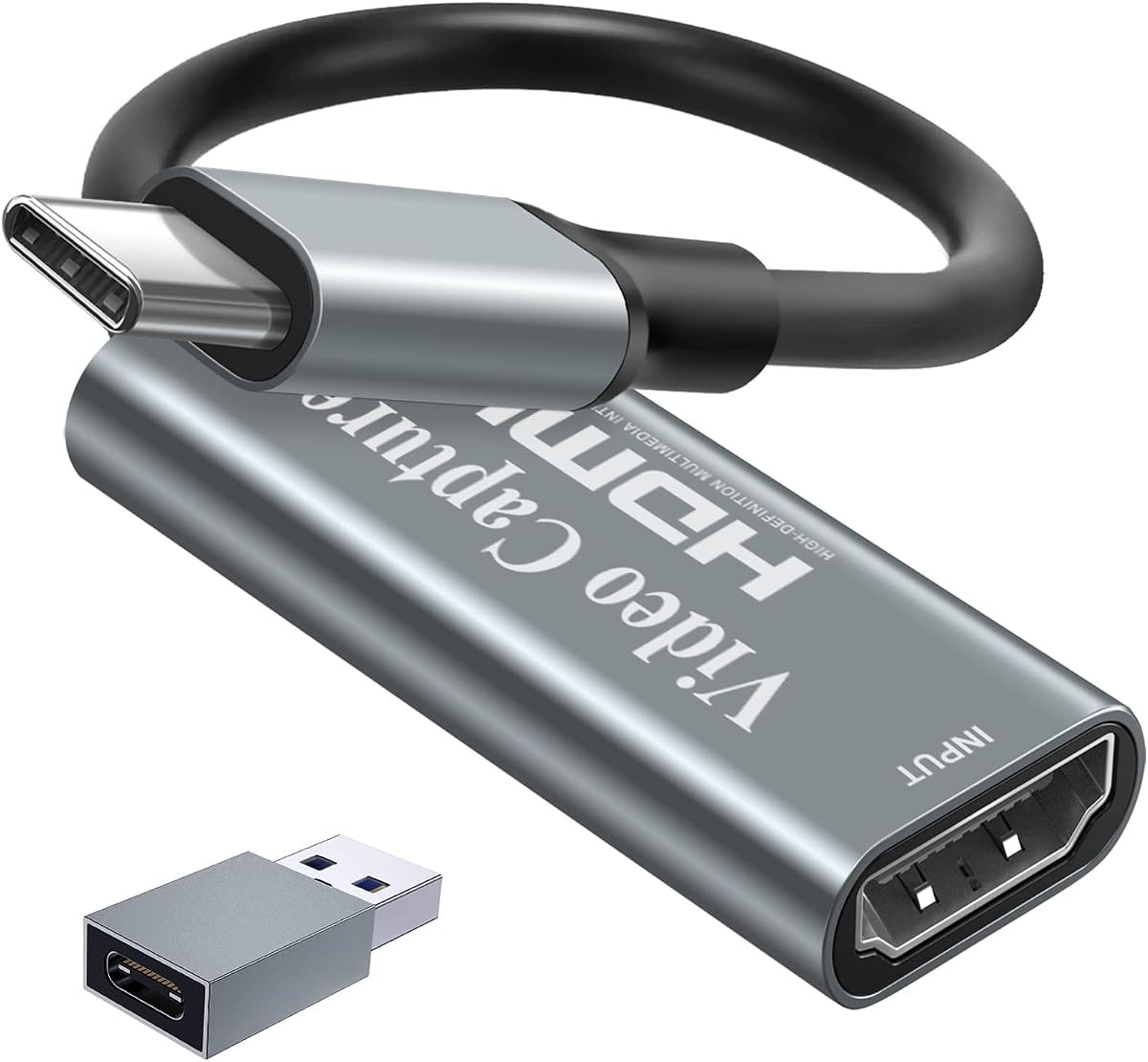
Papeaso Video Capture Card
4.2Editor score
1080P 60FPS capture resolution
USB-C interface for modern devices
Works with Linux without extra drivers
This guide compares the top capture cards for Linux systems, evaluating performance, compatibility, and features to help you choose the best device for
Finding the right capture card for Linux can be challenging due to driver limitations and compatibility issues. This guide highlights models that work seamlessly with open-source software and operating systems.
We evaluated ten top-rated capture cards based on user feedback, technical specifications, and Linux compatibility. Each product was selected for its ability to deliver stable video capture without requiring proprietary drivers.
Each pick shows key features, pros, cons, and ideal use cases. Prices and availability change frequently, so verify current details before purchasing to ensure you get the best value for your setup.
4.2Editor score

4.5Editor score

4.2Editor score
The following table provides a side-by-side comparison of all ten capture cards, highlighting key specifications and compatibility details to help you make an informed decision.







This UGREEN capture card stands out as a top choice for Linux users due to its driverless operation and solid performance. With a 4.5 rating, it offers reliable capture for gaming and streaming without requiring proprietary software.
We may earn a commission when you buy through this link, at no additional cost to you.
The 2K 30FPS and 1080p 60FPS output resolutions provide a great balance between quality and compatibility. The USB 3.0 technology ensures high-speed data transfer, which is crucial for smooth streaming on open-source systems.
While it lacks HDR passthrough found in premium models, the stable signal transmission and heat dissipation make it a practical choice. Users report minimal lag, making it suitable for competitive gaming and live broadcasts.
This card is ideal for streamers and creators who prioritize ease of use and Linux compatibility. Its durable construction and wide range of supported devices make it a versatile tool for any setup.
This card works seamlessly with Linux operating systems without requiring additional drivers or complex configurations.
High-speed USB 3.0 and low latency ensure smooth video capture and streaming experiences on various devices.
We may earn a commission when you buy through this link, at no additional cost to you.
The Papeaso capture card offers an excellent entry point for Linux users seeking affordable streaming solutions. With a 4.2 rating, it delivers solid performance for basic recording needs without requiring driver installation.
We may earn a commission when you buy through this link, at no additional cost to you.
Its 1080P 60FPS capture and USB-C interface make it a convenient choice for modern devices. The lack of drivers ensures it works out of the box on most Linux distributions, saving time on setup.
While it lacks premium features like HDR or high-end build quality, the consistent performance and low cost make it a strong contender for beginners. Users appreciate its ability to handle games and meetings without freezing.
This card is best for budget-conscious creators or students who need reliable capture for casual streaming. Its simplicity and Linux compatibility make it a practical choice for entry-level setups.
This card provides a cost-effective solution for Linux users without sacrificing essential capture capabilities.
Plug and play functionality ensures quick setup and immediate use on supported Linux systems.
We may earn a commission when you buy through this link, at no additional cost to you.
The AVerMedia Live Gamer Ultra S delivers premium capture quality for Linux users seeking top-tier performance. With a 4.2 rating, it offers advanced features like 4K60 HDR passthrough and 5.1 audio capture.
We may earn a commission when you buy through this link, at no additional cost to you.
Its USB 3.2 Gen 1 Type-C connection ensures fast data transfer, while VRR and ultrawide support enhance gaming experiences. The card's compatibility with Linux makes it a powerful tool for professional streamers.
While the price is higher than budget options, the advanced capabilities justify the investment for serious content creators. Users benefit from seamless passthrough and high-fidelity recording for high-end setups.
This card is ideal for enthusiasts and professionals who demand the best capture quality. Its comprehensive feature set and Linux support make it a leading choice for premium streaming needs.
HDR and VRR passthrough provide an immersive gaming experience with high-quality video and audio capture.
Advanced audio capture and high-speed connections make this card suitable for professional streaming workflows.
We may earn a commission when you buy through this link, at no additional cost to you.
The acer capture card offers a straightforward solution for Linux users needing mic-in capabilities. With a 4.4 rating, it delivers clear audio and video capture without requiring additional adapters or software.
We may earn a commission when you buy through this link, at no additional cost to you.
Its 4K HDMI loop-out and 1080P 60Hz performance ensure high-quality recording for gaming and streaming. The plug-and-play design makes it easy to integrate into existing Linux setups quickly.
While it lacks some advanced features found in higher-end models, the reliability and audio support make it a practical choice. Users appreciate its simplicity and consistent performance for everyday tasks.
This card is best for users who need basic capture with mic-in support. Its compatibility with Linux and affordable price point make it a solid option for casual streamers.
Integrated mic input allows for seamless voice commentary without the need for external adapters.
4K input and 1080P output provide sharp visuals for gaming and streaming on Linux systems.
We may earn a commission when you buy through this link, at no additional cost to you.
The UGREEN 4K@30Hz capture card is ideal for Linux users who prioritize loop-out functionality. With a 4.4 rating, it ensures real-time preview and zero-latency monitoring for seamless gaming experiences.
We may earn a commission when you buy through this link, at no additional cost to you.
Its 2K 30FPS capture and 4K loop-out provide high-quality video for both streaming and local display. The USB-A/C dual interface adds versatility for connecting various devices to Linux systems.
While it lacks HDR and Fire TV support, the solid build and reliable performance make it a strong contender. Users benefit from efficient heat dissipation and consistent video output during long sessions.
This card is best for gamers and streamers needing reliable loop-out. Its Linux compatibility and durable construction make it a practical choice for consistent content creation.
4K loop-out enables real-time preview and monitoring without latency for enhanced gaming control.
Dual USB-A and USB-C ports offer flexible connectivity for a wide range of devices and laptops.
We may earn a commission when you buy through this link, at no additional cost to you.
The Guermok capture card offers a portable solution for Linux users on the go. With a 4.4 rating, it provides reliable 4K input and 1080P 60FPS capture for various streaming and recording tasks.
We may earn a commission when you buy through this link, at no additional cost to you.
Its Type C and USB interfaces ensure compatibility with modern devices, while the lightweight design makes it easy to carry. Users report good performance with minimal lag during streaming sessions.
While documentation is limited, the plug-and-play setup ensures easy use on Linux systems. The card's simplicity and portability make it a good option for casual content creators and travelers.
This card is best for users seeking a compact capture solution. Its Linux support and affordable price point make it a practical choice for basic streaming needs.
Compact and lightweight design makes this card ideal for travel and on-the-go content creation.
Multiple interface options ensure easy connection to various devices and Linux systems.
We may earn a commission when you buy through this link, at no additional cost to you.
The Newhope capture card provides solid pass-through capabilities for Linux users. With a 4.2 rating, it delivers 1080P 60FPS capture and 4K pass-through for high-quality gaming and streaming.
We may earn a commission when you buy through this link, at no additional cost to you.
Its mic-in support allows for easy commentary, making it a practical choice for content creators. The plug-and-play design ensures quick setup on Linux systems without requiring additional software.
While video quality is basic compared to premium models, the reliability and pass-through features make it a good option for casual users. It handles everyday tasks well without complications.
This card is best for users needing basic pass-through and mic-in. Its Linux support and affordability make it a practical choice for entry-level setups.
4K pass-through ensures high-quality display on external monitors while capturing for streaming.
Integrated mic-in allows for seamless voice commentary without additional adapters.
We may earn a commission when you buy through this link, at no additional cost to you.
This capture card offers a compact solution for Linux users seeking reliable streaming. With a 4.4 rating, it provides smooth 4K HDMI capture and 1080P 60FPS output for high-quality content.
We may earn a commission when you buy through this link, at no additional cost to you.
Its USB 3.0 connection ensures fast data transfer, while the compact design makes it easy to transport. Users appreciate its plug-and-play setup and consistent performance for gaming and recording.
While it lacks advanced features, the reliability and Linux compatibility make it a solid option for casual creators. It handles everyday tasks well without requiring additional software or drivers.
This card is best for users seeking a compact and reliable capture device. Its Linux support and affordability make it a practical choice for basic streaming needs.
Small and lightweight form factor makes this card ideal for travel and mobile setups.
4K capture and 1080P 60FPS output ensure high-quality video for streaming and recording.
We may earn a commission when you buy through this link, at no additional cost to you.
The AVerMedia StreamLine MINI+ offers excellent HDR passthrough for Linux users. With a 4 rating, it delivers high-quality capture and ultra-low latency for smooth gaming and streaming.
We may earn a commission when you buy through this link, at no additional cost to you.
Its 4K60 HDR passthrough ensures vivid visuals on external displays, while 1080p60 recording maintains high-quality content. The card's compatibility with Linux makes it a versatile tool for various setups.
While documentation is limited, the plug-and-play setup ensures easy use. Users benefit from reliable performance and low latency, making it a strong choice for gaming and content creation.
This card is best for users seeking HDR support and low latency. Its Linux compatibility and performance make it a practical choice for serious streamers and gamers.
4K60 HDR passthrough delivers vivid visuals for an immersive gaming and streaming experience.
Ultra-low latency ensures real-time performance for responsive gaming and live broadcasts.
We may earn a commission when you buy through this link, at no additional cost to you.
This Papeaso card offers a budget-friendly solution for Linux users. With a 4.2 rating, it provides reliable 1080P 60FPS capture and 4K input for basic streaming and recording needs.
We may earn a commission when you buy through this link, at no additional cost to you.
Its USB-C interface ensures compatibility with modern devices, while the plug-and-play setup makes it easy to use on Linux systems. Users appreciate its simplicity and consistent performance.
While it lacks advanced features, the reliability and affordability make it a good option for casual creators. It handles everyday tasks well without requiring additional software or drivers.
This card is best for users seeking a budget-friendly capture device. Its Linux support and compact design make it a practical choice for basic streaming needs.
Affordable price and plug-and-play setup make this card ideal for entry-level creators.
USB-C interface and Linux support ensure easy connection to modern devices and systems.
We may earn a commission when you buy through this link, at no additional cost to you.
Choosing the right capture card for Linux requires considering several factors to ensure compatibility and performance. This guide outlines key aspects to help you make an informed decision.
Linux compatibility is the most critical factor when selecting a capture card. Look for devices that support open-source drivers or work seamlessly with USB Video Class (UVC) standards. Many cards advertise Windows and Mac support, but Linux compatibility may vary. Checking community forums and user reviews can provide insights into real-world performance on different distributions.
Prioritize cards with UVC support and avoid those requiring proprietary drivers. This ensures smooth operation across various Linux versions without additional setup.
Video resolution and refresh rate directly impact the quality of your streams and recordings. Most budget cards offer 1080P at 60FPS, which is suitable for general streaming. Premium options may support 4K input or output, providing sharper visuals. Consider your source device capabilities and target platform requirements when selecting a resolution.
Ensure the card's output matches your streaming platform's support. 1080P 60FPS is a reliable standard for most use cases.
Input and output interfaces determine how the card connects to your devices and displays. HDMI input is standard, but USB 3.0 ensures fast data transfer. Some cards offer USB-C ports for modern laptops, while others include loop-out ports for real-time monitoring. Compatibility with your source devices and computer ports is essential.
Look for USB 3.0 or higher to avoid bottlenecks. Loop-out functionality is beneficial for gaming and live streaming.
Audio capabilities are crucial for creating engaging content. Some cards include mic-in ports for commentary, while others capture audio from HDMI sources. 5.1 audio support enhances immersion but requires compatible software. Check if the card supports the audio formats you need for your setup.
Mic-in support simplifies setup for commentary. Ensure audio capture works with your preferred recording software.
Build quality affects the longevity and stability of your capture card. Aluminum casings offer better heat dissipation and protection against EMI. Cheaper plastic models may overheat during prolonged use. Consider the card's construction when planning for long streaming sessions or professional use.
Choose cards with aluminum casings for better heat management. This ensures stable performance during extended use.
Software support determines how you control and access the card's features. Open-source tools like OBS Studio work well with most UVC cards. Proprietary software may offer advanced features but could lack Linux compatibility. Verify that the card works with your preferred streaming and recording applications.
Prioritize cards compatible with OBS and other open-source tools. This ensures flexibility and control on Linux systems.
Price and value vary widely across capture cards. Budget options provide basic functionality, while premium models offer advanced features like HDR and higher resolutions. Assess your needs and budget to find the best balance. Avoid overpaying for features you won't use.
Choose a card that meets your essential needs without unnecessary extras. This ensures cost-effective performance for your setup.
Customer support and warranty provide peace of mind when purchasing electronics. Look for cards with responsive support and at least a one-year warranty. This is especially important for Linux users who may encounter compatibility issues. Check the manufacturer's reputation for handling technical inquiries.
Prioritize brands with good support records. This ensures assistance if you face setup or compatibility challenges.
Begin by connecting the capture card to your computer's USB 3.0 or higher port for optimal performance. Plug the HDMI cable from your source device into the card's input port, and connect your display to the loop-out if available.
Install or launch your preferred streaming software like OBS Studio. Ensure the software detects the capture card as a video source. Adjust resolution and frame rate settings to match your source and target platform requirements.
Regularly update your system's kernel and software to maintain compatibility. Clean the card's ports and casing to prevent dust buildup. Store the card in a cool, dry place when not in use to prolong its lifespan.
Not all capture cards work with Linux out of the box. Cards supporting USB Video Class (UVC) standards typically work without additional drivers. Others may require specific firmware or open-source alternatives. Checking Linux compatibility before purchasing is essential.
OBS Studio is the most popular open-source streaming software for Linux. It supports most UVC capture cards and offers extensive customization. Other options include vMix and XSplit, though support varies. OBS remains the top choice for most users.
Yes, many capture cards work with MacBook Pro systems running macOS. Ensure the card supports macOS and has appropriate drivers if required. UVC-compatible models generally work seamlessly without additional setup. Verify compatibility with your macOS version.
If your card isn't detected, ensure it's connected to a USB 3.0 port and that UVC support is enabled in your system. Try restarting the computer or checking for kernel updates. Some cards may require additional modules or configurations to function properly.
Capture cards typically have minimal impact on gaming performance when connected externally. However, using internal cards or high-resolution capture may slightly affect system resources. External USB cards are generally safe for gaming on most systems.
1080P capture offers Full HD resolution suitable for most streaming platforms, while 4K provides higher detail. Not all platforms support 4K streaming. Consider your target audience and internet speed when choosing between resolutions. 1080P remains the standard for most streamers.
Choosing the right capture card for Linux involves balancing compatibility, performance, and price. The UGREEN and AVerMedia options stand out for their robust features and Linux support, while budget models like Papeaso offer affordability for casual users.
Prioritize UVC compatibility and USB 3.0 or higher for reliable performance. Ensure the card supports your preferred resolution and audio needs. These factors will determine the quality and stability of your streams and recordings.
Prices and availability can change, so check current listings before purchasing. Verify Linux compatibility and community feedback to avoid potential issues. With the right choice, you can create high-quality content seamlessly on Linux systems.