
400 Watt Solar Panels 12V 18BB N-Type
4.4Editor score
25% High Efficiency Cells
IP68 Waterproof Certification
11 AWG Oxygen Free Wire
This guide compares the top 400 Watt Solar Panels for Rvs based on efficiency, durability, and portability to help you choose the right power solution for your
Finding reliable power on the road is essential for modern RV enthusiasts. High wattage solar solutions ensure your appliances run smoothly without relying on noisy generators or shore power connections.
We evaluated ten leading 400 watt options available today. Our analysis focused on cell technology, weather resistance, mounting flexibility, and real-world charging performance under varying sunlight conditions.
Each pick highlights unique strengths for different setups. Remember that prices fluctuate frequently, so check current listings before making your final decision to secure the best value for your budget.
4.4Editor score

4.6Editor score
4.5Editor score
Compare the key specifications and features of all ten selected panels side by side to find the perfect match for your specific RV electrical needs.



This bifacial panel offers a versatile solution for RV owners seeking maximum power from limited roof space. With a 23% efficiency rating and dual-sided light capture, it delivers reliable energy even in varied conditions.
We may earn a commission when you buy through this link, at no additional cost to you.
The design allows for significant power gains on reflective surfaces like white roofs or gravel. Its compact dimensions make it easy to manage and install without heavy lifting equipment or specialized tools.
While performance depends on surface reflectivity, the stability in low light ensures consistent charging. The trade-off is a need for careful placement to maximize rear-side gain compared to standard panels.
Ideal for campervans or small RVs where space is tight. This pick balances high performance with practical size for most users seeking modern solar efficiency on the road.
Capturing light from the rear increases total daily energy output significantly when installed correctly.
Designed for tight spaces with robust weather protection for long term outdoor reliability.
We may earn a commission when you buy through this link, at no additional cost to you.
This panel delivers impressive efficiency for the price point using advanced N-Type cells. It provides a robust electrical foundation for 12V systems with high quality internal wiring.
We may earn a commission when you buy through this link, at no additional cost to you.
The 18BB busbar technology reduces resistance and improves power output. IP68 waterproofing ensures the junction box withstands heavy rain or splashes without leakage risks.
It lacks the flexibility of bifacial designs but offers solid raw performance. The focus on durable components like oxygen-free copper wire ensures longevity in harsh environments.
Great for budget-conscious buyers needing reliable power. This choice prioritizes electrical quality and weather resilience for standard RV roof installations.
Achieves 25% efficiency with premium materials without the high cost of niche models.
IP68 rated components ensure durability against moisture and dust exposure.
We may earn a commission when you buy through this link, at no additional cost to you.
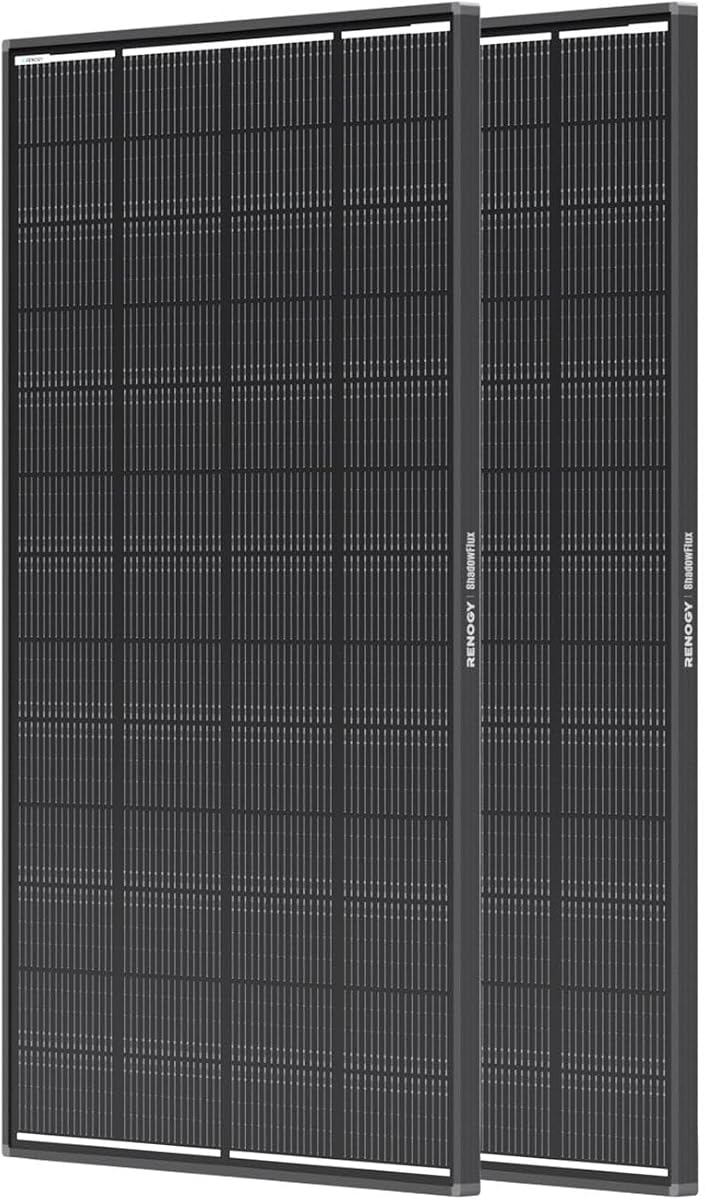
ShadowFlux technology addresses the common issue of partial shading on RV roofs. It maintains power generation even when parts of the panel are blocked by vents or trees.
We may earn a commission when you buy through this link, at no additional cost to you.
The premium pricing reflects the advanced tech and robust construction. N-Type cells ensure stable performance in heat while the design remains compact for easier installation.
While it costs more, the reliability in imperfect conditions offers peace of mind. The trade-off is financial but justified for frequent travelers in diverse environments.
Best for those prioritizing consistent power regardless of location. This model sets the standard for high-end reliability and shade tolerance.
Innovative technology minimizes hot-spot risks and keeps energy flowing during partial shading.
Built with durable materials to ensure years of consistent performance with minimal maintenance.
We may earn a commission when you buy through this link, at no additional cost to you.
DOKIO offers a straightforward 400 watt option for those wanting ease of setup. The long leads reduce the need for extra connectors and extension cables significantly.
We may earn a commission when you buy through this link, at no additional cost to you.
It features standard monocrystalline cells with a robust frame for outdoor use. The mounting holes align well with common Z-brackets for secure roof attachment.
While efficiency is average, the convenience of pre-attached wiring is a plus. The trade-off is lower output per square foot compared to newer high-efficiency models.
Ideal for DIYers wanting a simple project. This pick minimizes installation hassle while providing reliable power for basic needs.
Extended cables reach farther without requiring extra adapters or wiring work.
Pre-drilled holes and standard connectors make installation quick for beginners.
We may earn a commission when you buy through this link, at no additional cost to you.
This kit provides everything needed for a complete RV solar setup. The included MPPT controller optimizes power flow from panels to batteries for better efficiency.
We may earn a commission when you buy through this link, at no additional cost to you.
It simplifies the buying process by bundling panels and essential hardware. The controller handles voltage regulation efficiently ensuring battery safety and longevity.
The cost is higher than panels alone but saves time on matching components. The trade-off is less flexibility in choosing individual brands for the controller.
Best for beginners needing a turnkey solution. This option ensures compatibility and performance right out of the box.
All major components bundled together to reduce research and installation time.
Pre-matched controller ensures optimal power harvest from the included panels.
We may earn a commission when you buy through this link, at no additional cost to you.
Designed for portability, this foldable unit pairs well with portable power stations. It is lightweight and easy to deploy at campsites where roof mounting is impossible.
We may earn a commission when you buy through this link, at no additional cost to you.
The adjustable kickstand helps optimize angle for sunlight. Waterproof construction protects against light rain and dust during outdoor use.
It is not intended for permanent roof installation but serves emergency needs well. The trade-off is reduced durability compared to framed glass panels.
Perfect for mobile camping setups. This pick prioritizes transport convenience over permanent installation features.
Easily moved to maximize sun exposure wherever you park for the day.
Waterproof and dustproof materials ensure survival in rough outdoor conditions.
We may earn a commission when you buy through this link, at no additional cost to you.
This portable unit focuses on compatibility with popular power generators. The high conversion rate ensures efficient charging even in less than ideal light conditions.
We may earn a commission when you buy through this link, at no additional cost to you.
Four adjustable kickstands offer flexibility in setting angles. The lightweight build makes it easy to carry without strain.
It sacrifices roof mounting for flexibility. The trade-off is that it cannot be left permanently attached to an RV structure.
Great for off-grid camping with portable batteries. This choice balances performance with the need for mobility.
Works with a wide range of generator brands using standard connectors.
Multiple kickstand options let you find the perfect angle quickly.
We may earn a commission when you buy through this link, at no additional cost to you.
E-POWO brings advanced compatibility with multiple charging ports for different power stations. The ETFE coating enhances dust resistance and durability against elements.
We may earn a commission when you buy through this link, at no additional cost to you.
With three adjustable kickstands, it offers stable placement on uneven terrain. The high conversion efficiency ensures optimal power harvest from sunlight.
It offers more features than basic portable units. The trade-off is a higher price point compared to simpler folding models.
Best for tech-savvy campers with varied equipment. This model provides robust connectivity for flexible power needs.
Multiple ports ensure compatibility with different power station brands.
ETFE coating protects the surface from dust and wear during travel.
We may earn a commission when you buy through this link, at no additional cost to you.
This bifacial module uses TwinCell technology to maintain output when partially shaded. It is ideal for RVs parked under trees or near obstacles.
We may earn a commission when you buy through this link, at no additional cost to you.
The transparent backsheet captures reflected light for higher total output. With a 10-year product warranty, it offers strong long-term value.
It may be overkill for sunny open fields but excels in difficult spots. The trade-off is the specialized design that requires proper installation orientation.
Best for RVs facing variable shade conditions. This pick prioritizes consistent power even in challenging environments.
TwinCell design splits the panel so shadows don't halt all production.
Bifacial backsheet boosts output when placed over light colored surfaces.
We may earn a commission when you buy through this link, at no additional cost to you.
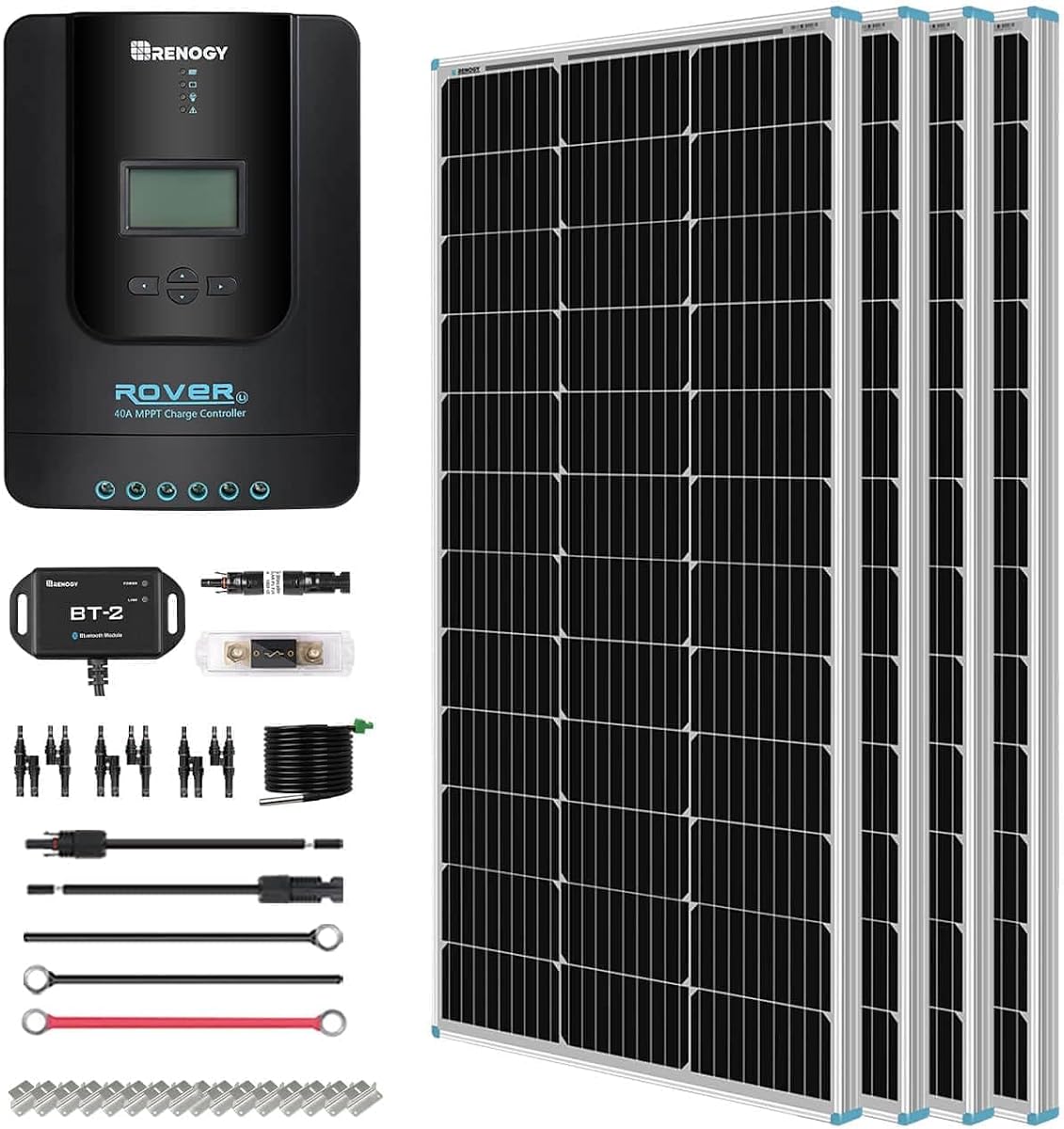
This 400 watt system uses four smaller 100w panels instead of one large unit. This allows for flexible placement around vents or curved roofs.
We may earn a commission when you buy through this link, at no additional cost to you.
Each unit is compact and lightweight, making them easy to handle. The high efficiency ensures good energy production even in hot weather.
Wiring four panels requires more work than one. The trade-off is the ability to fit solar where a single large panel cannot.
Ideal for complex RV roof layouts. This pick offers maximum flexibility for irregular mounting spaces.
Four smaller panels allow creative layouts on complex roof shapes.
Lightweight units simplify installation and reduce physical strain.
We may earn a commission when you buy through this link, at no additional cost to you.
Selecting the right solar panel involves understanding electrical specs, durability, and installation methods.
N-Type cells generally offer higher efficiency and better heat resistance than P-Type. Look for labels like 16BB or 18BB busbars which reduce resistance and improve power.
Prioritize N-Type for better long term output in hot climates.
Bifacial panels capture light from the rear, increasing total power if installed over reflective surfaces. This is useful for maximizing limited space.
Choose bifacial if you have a white roof or want extra energy from reflected light.
IP ratings indicate protection against dust and water. IP67 or IP68 ensures the junction box survives heavy rain. Tempered glass handles hail and wind.
Ensure at least IP67 rating for reliable outdoor survival.
Check if the panel output matches your battery system voltage. Most RVs run on 12V or 24V systems and need correct controller compatibility.
Verify voltage output to avoid controller mismatch issues.
Some panels come with pre-drilled holes for Z-brackets while others may need adhesive. Foldable units are for ground use and lack permanent mounting holes.
Confirm mounting hardware matches your roof setup.
Higher efficiency means more power per square foot. Look for ratings above 23% to get the most energy from limited roof space.
Aim for high efficiency to maximize small roof areas.
Reputable brands offer long performance warranties. Look for 10 to 25 year guarantees to protect your investment over time.
Longer warranties indicate confidence in product quality.
Anti-shading technology like diodes or micro-inverters helps maintain output when part of the panel is shaded.
Prioritize shade tolerance if you park near trees or structures.
Install panels on a clean dry surface to ensure optimal light absorption. Use mounting brackets or adhesives designed for RV roofs to prevent leaks.
Clean the glass surface regularly with mild soap and water to remove dust. Dirt buildup can reduce efficiency significantly over time.
Inspect connections annually for signs of wear or loose cables. Tighten any connections to maintain safe power flow and prevent damage.
Generally 400 watts is not enough to run a full AC unit continuously. It is best suited for charging batteries to power DC appliances or small inverters for short periods.
A 400 watt system pairs well with at least 400 amp hours of battery storage. This ensures you can store enough energy for cloudy days or overnight use.
Yes an MPPT controller is recommended for 400 watt systems. It maximizes power harvest from the panels and converts voltage efficiently to charge batteries.
High quality panels can last 25 years or more. Performance typically degrades slowly so expect 80 to 90% output after two decades.
Many DIY kits are designed for home installation. Follow safety guidelines and ensure proper sealing to avoid roof damage or leaks.
Yes shade can reduce output significantly. Look for panels with anti-shading technology to minimize losses when parts of the panel are blocked.
These ten options cover various needs from budget friendly to premium high efficiency. The JJN bifacial and Callsun shade-tolerant models offer unique advantages for tricky spots.
Prioritize cell technology and weather resistance for long term value. Ensure your battery and controller setup matches the panel's voltage output.
Check current pricing and reviews before buying. Solar tech evolves quickly so verify that the model fits your specific RV dimensions and power requirements.