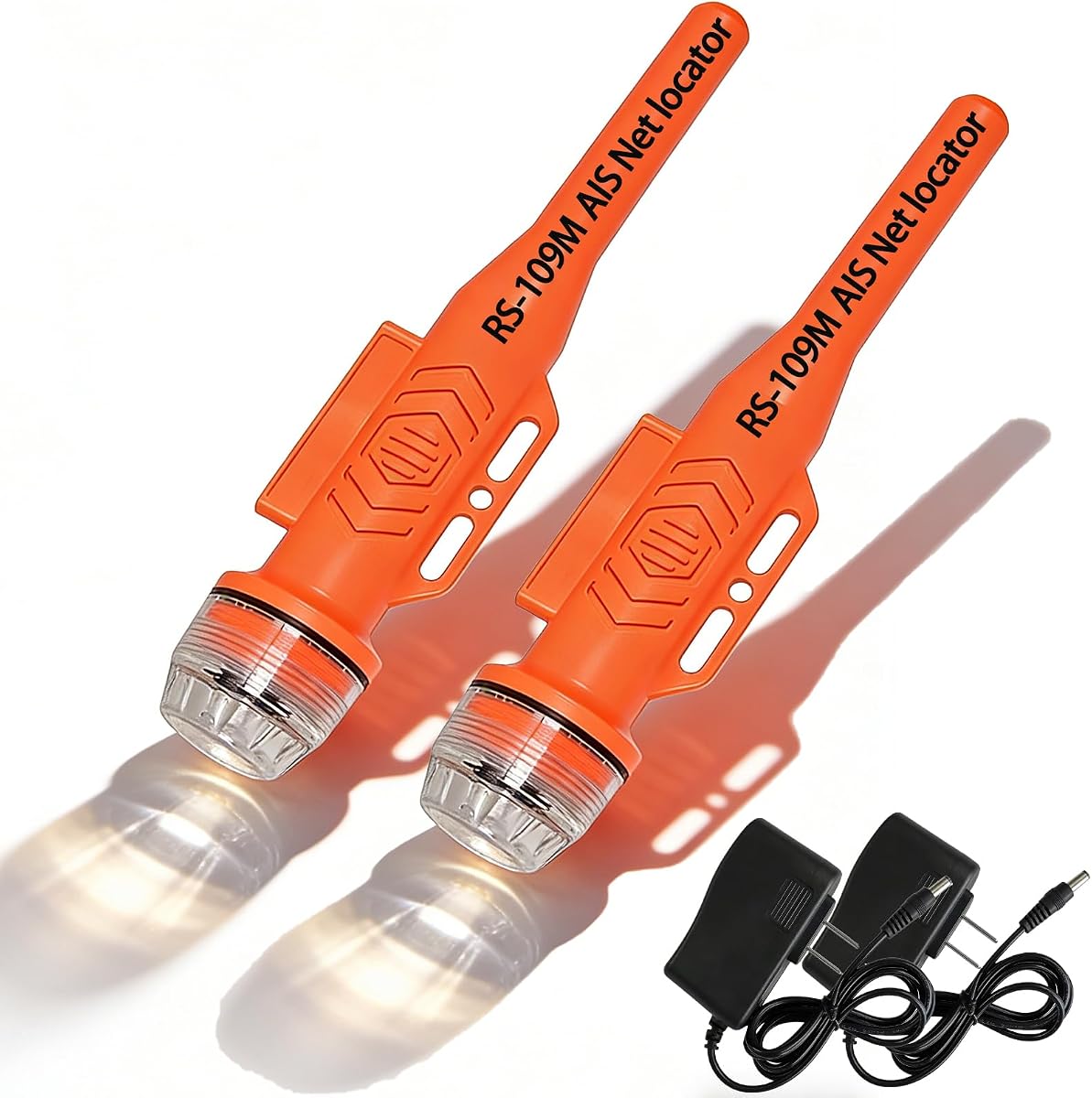
RS-109M Marine Net Locator
4.5Editor score
IPX7 waterproof housing
Ten nautical mile range
Two week battery life
This guide compares the top ten AIS transponders for marine safety, navigation, and compliance to help boaters choose the right system for their vessel needs.
Finding the right AIS transponder ensures your vessel is visible to nearby traffic and rescue services. These devices broadcast your position and identity continuously to enhance situational awareness on the water.
We evaluated ten leading models based on transmission class, display quality, connectivity options, and overall reliability. Our analysis covers everything from compact buoys to full marine-grade Class A units.
Each pick highlights specific strengths like battery life, waterproof ratings, or integration capabilities. Prices vary widely by feature set so check current listings before purchasing to confirm availability and deals.
4.5Editor score

4.7Editor score
4.9Editor score
This table provides a side-by-side overview of the ten selected models highlighting key specs and capabilities for quick comparison.




The Icom MA-510TR stands out as a robust Class B transponder ideal for serious boaters. It features a bright display and integrated GPS for reliable position broadcasting.
We may earn a commission when you buy through this link, at no additional cost to you.
This unit excels in situational awareness with a collision alarm and anchor watch function. Its user-configurable MMSI settings ensure full compliance with maritime regulations.
While effective it does require a separate VHF antenna which may increase installation complexity. The price is higher than basic models but justified by its feature set.
Ideal for coastal cruisers needing reliable traffic data this model is a top recommendation. It balances performance and usability effectively for most recreational vessels.
The 4.3 color display ensures you can read vessel data even in bright sunlight conditions.
Collision and anchor alarms provide peace of mind by alerting you to nearby movements.
We may earn a commission when you buy through this link, at no additional cost to you.
This EM-TRAK unit offers a basic Class B transponder solution for small boats. It operates on standard marine voltages and provides essential AIS capabilities.
We may earn a commission when you buy through this link, at no additional cost to you.
It is best suited for users who already have a navigation display to interpret the data. The lack of a built-in screen keeps costs down significantly.
Installation is straightforward but you will need an external display to view traffic. Support may be limited depending on your region and distributor availability.
Consider this if you need a simple transmitter for compliance without extra features. It works well for budget conscious boat owners with existing gear.
The unit supports both 12V and 24V systems making it versatile for different boat types.
It focuses on core transmission needs without added display or alarm complexities.
We may earn a commission when you buy through this link, at no additional cost to you.
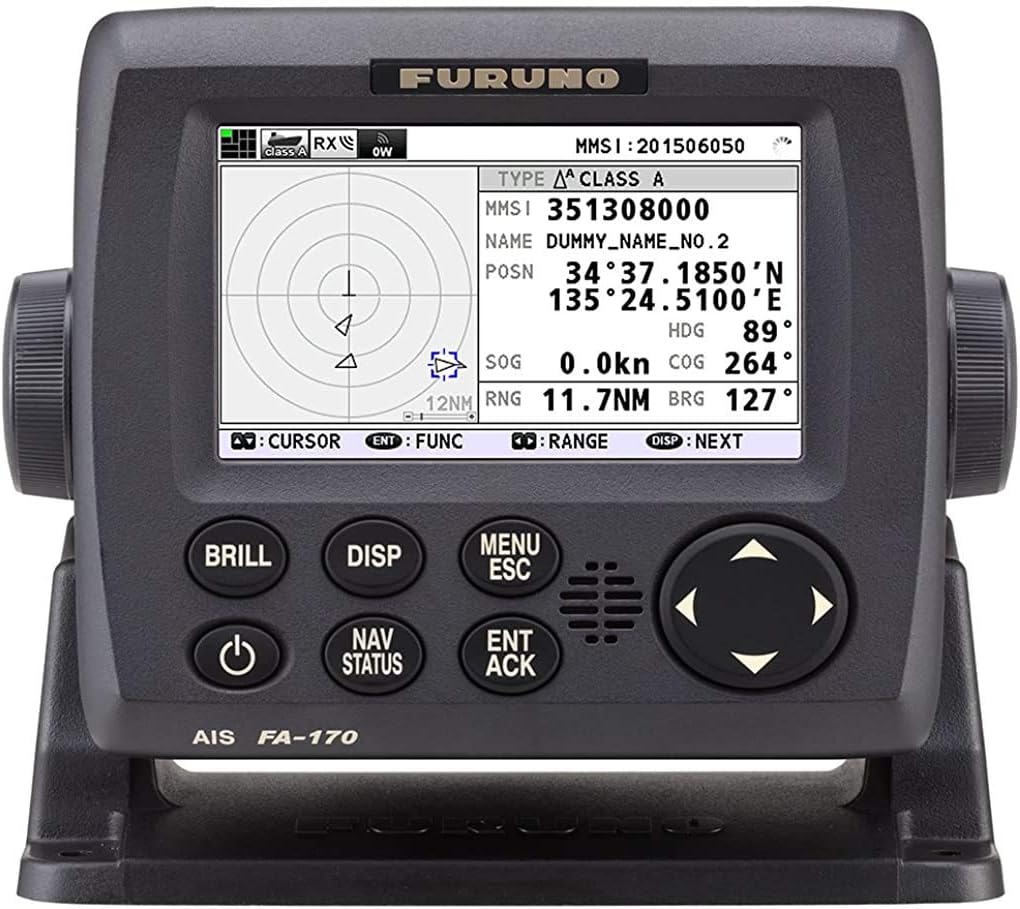
The Furuno FA170 is a professional grade Class A transponder designed for larger vessels. It offers superior range and data capacity compared to standard Class B units.
We may earn a commission when you buy through this link, at no additional cost to you.
Key features include a dangerous target list and the ability to send AIS messages directly to other ships. This makes it invaluable for commercial or offshore operations.
The high cost and complex wiring requirements mean this is not for casual boaters. It requires a networked chartplotter or system to fully utilize its potential.
Invest in this if you need maximum visibility and regulatory compliance for heavy traffic areas. It is the top choice for serious mariners prioritizing safety.
Storing up to 2048 targets ensures you never lose sight of nearby vessels in crowded waters.
Sending name requests and messages allows for direct interaction with other vessels when needed.
We may earn a commission when you buy through this link, at no additional cost to you.
This RS-109M kit provides two waterproof locators designed for fishing nets and buoys. It transmits position data and battery status to keep you informed remotely.
We may earn a commission when you buy through this link, at no additional cost to you.
The device uses a high sensitivity GPS module to ensure accurate location updates even in open waters. Its waterproof design handles submersion conditions well.
While great for gear it does not function as a shipboard navigation aid. The focus is purely on tracking external assets rather than vessel position.
Choose this if you need affordable tracking for fishing gear or safety buoys. It offers excellent value for the price regarding battery and durability.
Track your nets and buoys efficiently to prevent loss and ensure quick retrieval after storms.
Battery level monitoring prevents unexpected signal loss during critical operational periods.
We may earn a commission when you buy through this link, at no additional cost to you.
This bundle combines a VHF fixed mount radio with AIS capabilities for streamlined communication. It is designed for boats already in the Raymarine ecosystem.
We may earn a commission when you buy through this link, at no additional cost to you.
Users benefit from a single source for essential marine electronics ensuring compatibility and support. The fixed mount design provides stability and clear audio output.
It assumes you have or will buy a chartplotter to visualize the AIS data separately. The bundle simplifies purchasing but requires existing infrastructure for full use.
Opt for this if you prefer a unified brand approach to your marine electronics. It ensures reliable communication and identification for coastal travel.
Fixed mount radios offer better power and antenna connections for clearer voice transmission.
Matching brands reduce integration issues and simplify troubleshooting when problems arise.
We may earn a commission when you buy through this link, at no additional cost to you.
The RESQLINK beacon is a personal safety device that broadcasts distress signals via AIS and satellites. It is ideal for individuals on small craft or offshore trips.
We may earn a commission when you buy through this link, at no additional cost to you.
Return Link Service confirms when rescue services receive your signal providing critical peace of mind. The NFC app allows easy battery checks and device health monitoring.
It is not a navigation tool but a critical backup for emergencies. Activation requires manual input and it is best worn or clipped to a life jacket.
Essential for anyone concerned about personal safety on the water this beacon provides global reach. It is a smart addition to any safety gear.
This beacon ensures help can find you even in remote areas with no nearby vessel coverage.
The Return Link Service removes uncertainty by telling you that help is on the way.
We may earn a commission when you buy through this link, at no additional cost to you.
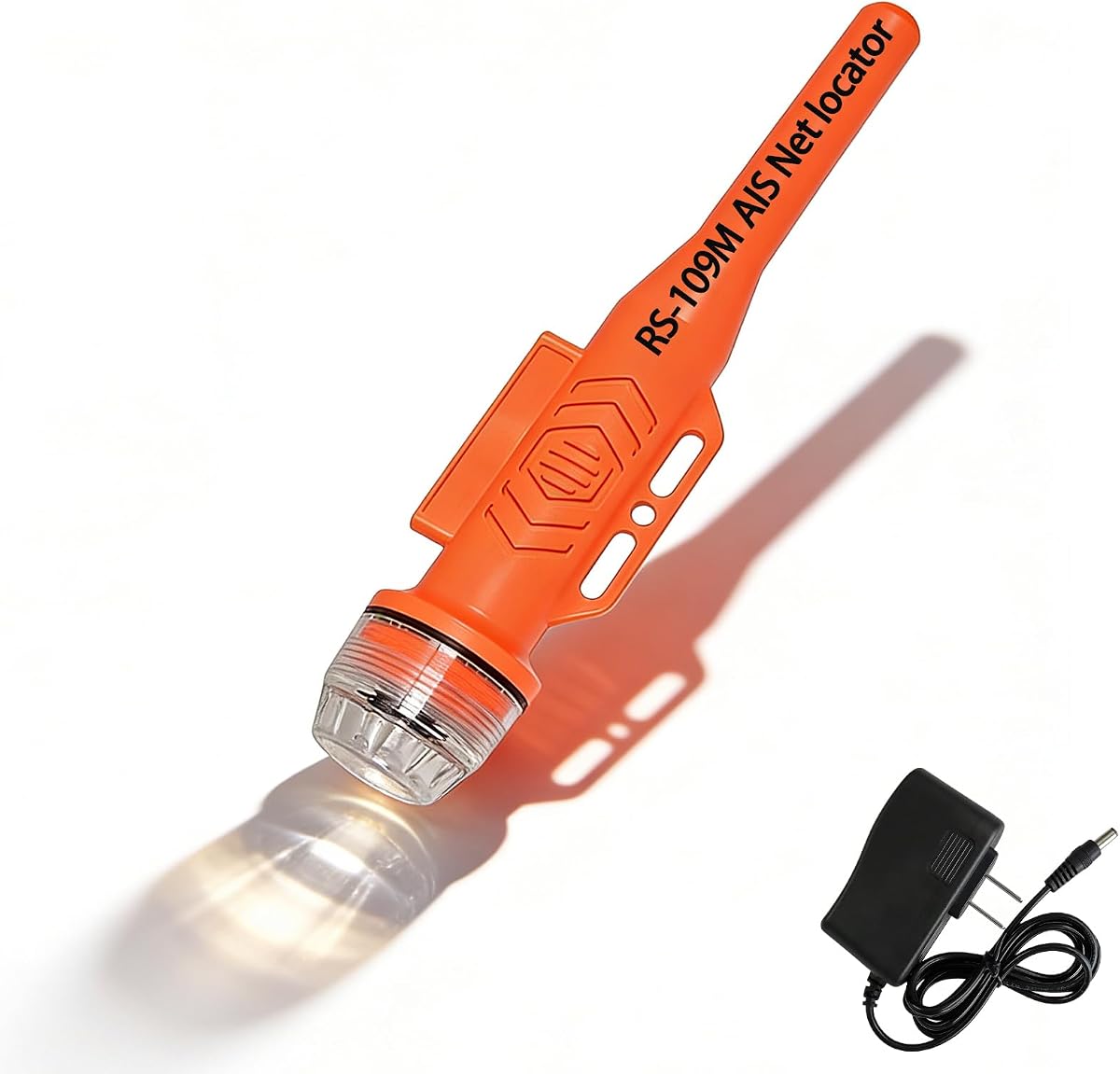
This single unit version of the RS-109M offers similar tracking capabilities to the two pack. It serves as a reliable option for single buoy or net monitoring.
We may earn a commission when you buy through this link, at no additional cost to you.
The device maintains the same waterproof and battery standards ensuring consistent performance. It transmits accurate GPS positions to your receiver for seamless tracking.
It is less expensive than the bundle and perfect if you only need one tracker. However it lacks the cost efficiency of buying multiple units together.
Select this if you require a single tracker for a specific buoy or item. It balances cost and functionality well for simple tracking needs.
Buying one unit allows you to test the system before committing to a larger bundle.
Same technology as the bundle ensures you get reliable data from a single source.
We may earn a commission when you buy through this link, at no additional cost to you.
The M94D combines a handheld VHF radio with an integrated AIS receiver for compact safety. It shows nearby vessel traffic on a small screen while you communicate.
We may earn a commission when you buy through this link, at no additional cost to you.
With six watts of power and a loud speaker it works well in noisy conditions. The float and flash feature ensures the radio can be retrieved if dropped.
It does not transmit AIS data but provides essential awareness without extra devices. The screen is small so it is best for quick traffic checks.
Great for dinghies or small boats without space for fixed gear this radio adds visibility. It enhances safety by letting you see traffic while talking.
A handheld unit ensures you have comms and traffic data even when away from the helm.
The 1500 mW speaker ensures you hear calls clearly even in rough weather or engine noise.
We may earn a commission when you buy through this link, at no additional cost to you.
This fixed mount radio includes an AIS receiver and modern NMEA 2000 integration for networking. It allows for seamless data sharing with other marine electronics on board.
We may earn a commission when you buy through this link, at no additional cost to you.
The design is sleek and user-friendly making it easy to manage communications and traffic. Integration with navigation systems reduces clutter and improves workflow.
It is a receiver only unit so you must have a dedicated transmitter for outbound AIS. This is suitable for boats wanting a clean networked electronics setup.
Choose this for a modern fixed installation that supports data sharing. It enhances situational awareness through system integration rather than just voice comms.
NMEA 2000 support means the radio talks directly to your chartplotter for data sharing.
Integrating AIS and VHF into one unit reduces wiring and panel space requirements.
We may earn a commission when you buy through this link, at no additional cost to you.
The AIS700 is a Class B transceiver designed for Raymarine multifunction displays. It provides full transmit and receive capabilities for two-way traffic monitoring.
We may earn a commission when you buy through this link, at no additional cost to you.
A built-in antenna splitter simplifies installation allowing use with existing VHF antennas. Compatibility with SeaTalkng and NMEA 2000 makes it a flexible network node.
Ratings reflect its older design but it remains functional for Raymarine system users. Diagnostics and PC setup tools help maintain system health over time.
Ideal for Raymarine owners needing a networked transceiver this unit integrates smoothly. It ensures full AIS functionality with minimal extra wiring effort.
The built-in splitter saves the need for an external device to share the antenna.
SeaTalkng and NMEA 2000 support ensure it works across various display types.
We may earn a commission when you buy through this link, at no additional cost to you.
Selecting the right transponder depends on your vessel size and intended use. We cover key factors to simplify your decision.
Class B transponders are standard for most recreational boats offering essential position updates. Class A units provide higher power and data capacity but are more expensive.
Choose Class B for typical cruising and Class A if you operate in heavy traffic or commercial zones.
Some units include built-in displays while others are headless and rely on external plotters. A display offers quick access to traffic data without needing another screen.
If you already have a chartplotter a headless unit saves money and panel space.
Modern transponders often support NMEA 2000 for seamless integration with other electronics. Ensure your boat has the right network to use these features effectively.
Check compatibility with your existing display or navigation system before buying.
Fixed units require antenna mounting and power wiring while handhelds are plug and play. Consider your comfort with marine electrical systems when choosing a model.
Fixed installations are more permanent but offer better performance over time.
Most marine units use 12V or 24V power systems. Portable beacons rely on internal batteries so consider lifespan and replacement costs.
Ensure your boat voltage matches the unit to avoid damage or malfunction.
Marine electronics face harsh conditions so look for high IP ratings like IPX7. This ensures the device survives splashes or accidental submersion.
A waterproof unit is essential for small boats or open cockpit vessels.
AIS signals typically reach 10 nautical miles under clear conditions. Ensure the unit supports standard marine VHF frequencies for global compatibility.
Good range ensures you and others see each other well in open waters.
Features like collision alarms and anchor watches add practical safety value to your navigation. These alerts can prevent accidents when visibility is poor.
Prioritize units with alarms if you often travel in busy or low light areas.
Install the antenna high on the vessel to ensure clear line of sight for signal transmission. Avoid placing it near metal obstructions that could block the signal.
Regularly check the MMSI number and vessel details in the unit settings to ensure accuracy. Incorrect data can cause confusion for other vessels monitoring traffic.
Clean the exterior with fresh water to prevent salt buildup and check connections annually. Proper care extends the life of your equipment significantly.
Not all vessels are required to carry one but it is recommended for safety. Commercial ships and large vessels often have mandatory requirements depending on size and region.
Yes you can use a receiver to see traffic without broadcasting your own position. This is allowed for most recreational boats wanting situational awareness.
An MMSI is a unique nine digit ID number that identifies your vessel on AIS. You must register this number to activate your transmitter properly.
Most Class B transponders update every few seconds when moving to ensure other ships see your real-time position. This frequency helps prevent collisions at sea.
Yes AIS systems work day and night independent of light conditions. They use radio frequencies to transmit data so darkness does not impact functionality.
Some models support mobile app connectivity for remote monitoring or diagnostics. Check the specifications for NFC or Bluetooth support if you want app access.
Our top picks cover a range of needs from budget buoys to professional Class A units. Each model offers distinct strengths suited to different boating scenarios and budgets.
Prioritize safety features and compatibility with your existing marine network before making a decision. A well integrated system ensures you get the most out of your investment.
Always verify current product availability and check for any recent updates before purchasing. Prices and availability change so consult the latest listings for accurate info.