
MT-92H Light Meter
4.6Editor score
Split sensor design
Fast 500ms refresh
Dual unit measurement
Bright backlight display
This guide compares the top analog light meters for photographers and cinematographers, evaluating accuracy, build quality, and features to help you choose the
Analog light meters remain essential tools for professionals who value reliability and simplicity in exposure measurement. These devices convert light intensity into readable values without relying on complex electronics or batteries in many cases.
We evaluated ten top-rated models based on accuracy, durability, ease of use, and specific features like incident and reflected light capabilities. Our analysis covers both classic analog designs and modern digital alternatives with analog-like interfaces.
Each pick highlights unique strengths for different workflows, from studio photography to on-location cinematography. Please note that pricing and availability can fluctuate, so check current listings before purchasing your next meter.
4.6Editor score

4.6Editor score
4.7Editor score
The following table provides a side-by-side overview of key specifications and features for all ten models reviewed in this guide to help you quickly identify the best fit for your needs.

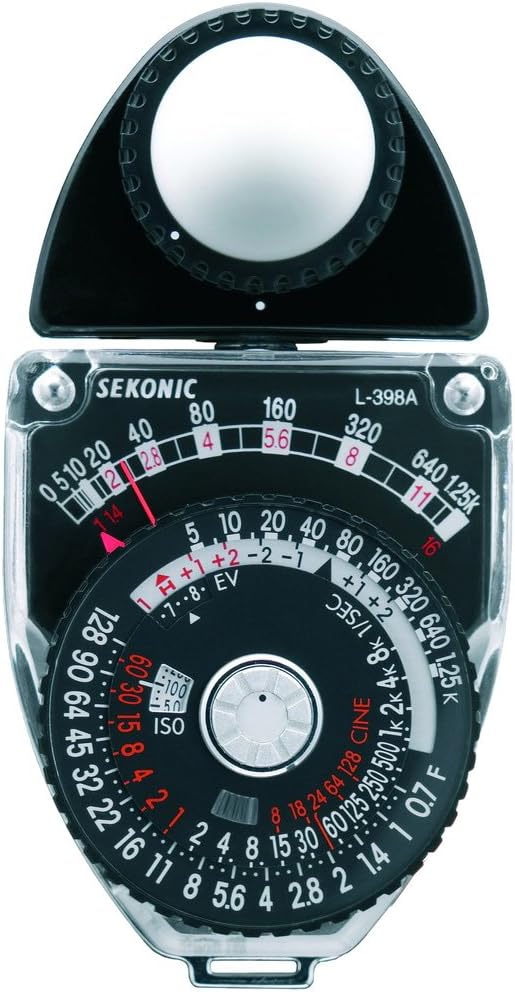


The Sekonic L-398A Studio Deluxe III stands out as the premier analog light meter for professionals seeking reliability and simplicity. With a 4.6-star rating, users praise its battery-free operation and precise exposure readings.
We may earn a commission when you buy through this link, at no additional cost to you.
Its integrated amorphous photocell generates power from ambient light, ensuring you can measure exposure anytime without worrying about dead batteries. The swivel head allows flexible positioning while keeping the full aperture and shutter speed dial visible for quick adjustments.
While the lack of a digital screen might seem outdated, the full dial readout provides instant clarity on exposure combinations. Some users find the price higher than digital alternatives, but the durability and timeless design justify the investment for serious photographers.
This meter is ideal for studio and field work where consistent, dependable measurements are crucial. If you value a classic workflow without electronic dependencies, the L-398A remains the top choice in the analog category.
The amorphous photocell ensures continuous operation without battery changes, making it perfect for long shoots or remote locations.
The analog dial allows quick visual confirmation of settings, streamlining adjustments during complex lighting setups.
We may earn a commission when you buy through this link, at no additional cost to you.
This digital illuminance meter offers a cost-effective solution for general light measurement tasks with a 4.4-star rating. It measures up to 200,000 Lux and includes ambient temperature readings for versatile environmental monitoring.
We may earn a commission when you buy through this link, at no additional cost to you.
The 4-digit color LCD screen provides clear visibility, while features like data hold and auto power off enhance usability. It is lightweight and compact, making it suitable for set design, factory, office, or home use without breaking the bank.
However, accuracy drops slightly above 10,000 Lux, and it lacks specialized photography modes. For casual users or those needing basic light checks, these trade-offs are acceptable given the low cost and broad application range.
Choose this meter if you need a reliable tool for general illuminance and temperature tracking on a budget. It fills the gap for non-professional applications where high-end photographic precision is not required.
Delivers solid performance for everyday tasks at a fraction of the cost of specialized photography meters.
Combines light and temperature measurement in one handheld device for comprehensive environmental checks.
We may earn a commission when you buy through this link, at no additional cost to you.
This variant of the L-398A is a favorite among cinematographers who appreciate its robust analog design and included accessories. Rated 4.4 stars, it provides incident and reflected light readings without requiring batteries.
We may earn a commission when you buy through this link, at no additional cost to you.
The 180-degree Lumisphere allows general readings of 3-D objects, while the Lumidisc enables selective area measurements. The swivel head lets you hold the metering button while walking the set to check light levels, enhancing mobility on location.
While it lacks modern digital interfaces, the simplicity ensures focus on lighting quality rather than screen navigation. The weight might feel substantial compared to pocket devices, but it contributes to the device's solid, professional feel.
Ideal for film crews and photographers who rely on consistent analog workflows, this model comes with a case and strap. It remains a staple for those who prioritize measurement integrity over digital convenience.
The swivel head design facilitates on-the-go checks without compromising reading accuracy or comfort.
Comes with lumisphere, lumidisc, and high slide to handle diverse measurement scenarios out of the box.
We may earn a commission when you buy through this link, at no additional cost to you.
The MT-92H Light Meter delivers high-precision measurement with a 4.6-star rating, offering excellent value for professionals needing reliable illuminance data. Its split-sensor design enables simultaneous measurement and monitoring with flexible positioning.
We may earn a commission when you buy through this link, at no additional cost to you.
You get accurate readings from 0 to 200,000 Lux with resolution down to 0.1 Lux and fast 0.5-second refresh rates. The ultra-bright backlit display ensures readability in total darkness or direct sunlight, while dual units cover international standards.
Though it requires batteries and lacks specific photography modes, its versatility for temperature and light monitoring makes it broadly applicable. The compact profile and durable design ensure it withstands daily use in various professional environments.
Choose this meter for general industrial, architectural, or studio checks where quick, accurate light data is essential. It balances performance and affordability effectively for users who need more than basic home tools.
Allows you to keep the sensor steady while adjusting the display for comfortable reading during measurement.
Dual capability for light and temperature provides a comprehensive view of environmental conditions in one tool.
We may earn a commission when you buy through this link, at no additional cost to you.
This Dr.meter model is praised for its high precision and fast response, making it ideal for creating ideal growing environments for plants. With a 4.5-star rating, it delivers accurate light intensity data two times per second for quick adjustments.
We may earn a commission when you buy through this link, at no additional cost to you.
Effortless FC or LUX conversion puts power in your hands to choose the unit that suits your gardening needs. The PEAK button locks in the highest light pulse value, perfect for measuring brief high-intensity sources like lightning or lasers.
A low battery alert ensures you never miss a measurement due to power issues, though it uses a 9V battery. While lacking an analog dial, its speed and versatility make it a strong tool for both indoor and outdoor applications.
Select this meter if you need rapid feedback on light intensity for horticulture or general environmental checks. It offers reliable performance and straightforward operation for users prioritizing speed and unit flexibility.
Fast readings help optimize sunlight intensity for thriving plants by allowing real-time lighting adjustments.
Captures momentary high-intensity peaks that might otherwise be missed with slower measurement devices.
We may earn a commission when you buy through this link, at no additional cost to you.
The Extech LT300 is designed for professional safety and efficiency in workplaces, studios, and labs. It captures reliable Lux and foot-candle readings up to 40,000 lux with a precision sensor that corrects for cosine and color.
We may earn a commission when you buy through this link, at no additional cost to you.
One-handed operation and a large backlit LCD display ensure comfort and visibility in dim areas during inspections. Advanced functions like Min/Max, data hold, and zero adjustment let you log and stabilize readings with ease for confident decisions.
While the price point is higher than budget models, the remote sensor capability adds value for inaccessible measurement points. Its durable design with a protective sensor cover makes it ideal for on-the-go facility safety and energy use management.
This meter is best for professionals requiring documented, reliable light data for compliance or safety. If you need a rugged tool that handles diverse lighting conditions accurately, the LT300 is a solid investment.
Measure light in hard-to-reach areas without moving the display unit, improving safety and convenience.
Min/Max and data hold features help track variations over time for thorough lighting analysis.
We may earn a commission when you buy through this link, at no additional cost to you.
The Gossen Luna Pro SBC offers a unique blend of ambient light and flash metering with digital EV readout. Rated 3.7 stars, it transfers settings to a ring for easy shutter speed and f-stop combinations at a glance.
We may earn a commission when you buy through this link, at no additional cost to you.
Features like a clock with alarm, timer, and temperature readout add utility beyond just light measurement. This model appeals to enthusiasts who appreciate hybrid functionality and a more analog feel in a digital era.
However, user ratings suggest it may not meet the expectations of all modern professionals compared to newer analogs. The lower score could indicate reliability issues or a lack of intuitive interface elements found in competitors.
Consider this if you need a compact device for both flash and ambient with basic digital aids. It suits collectors or those with specific vintage workflow needs who can overlook some modern limitations.
Provides dual measurement modes for comprehensive exposure control in mixed lighting scenarios.
The digital EV transfer to the setting ring streamlines manual adjustments for experienced photographers.
We may earn a commission when you buy through this link, at no additional cost to you.
Fluke is synonymous with reliability, and the 941 Light Meter lives up to that reputation with a 4.8-star rating. It serves as a dedicated illuminance tester for industrial and professional environments requiring precise verification.
We may earn a commission when you buy through this link, at no additional cost to you.
The device focuses on core functionality without unnecessary complexity, ensuring consistent results during safety inspections or facility checks. Its sturdy construction is built to withstand the rigors of daily professional use in challenging conditions.
While it may lack advanced photography-specific modes, its simplicity and accuracy are assets for technicians prioritizing dependability. The higher price reflects the brand's commitment to quality and long-term performance in critical applications.
Choose this meter if you need a trusted tool for industrial, commercial, or safety-related light testing. It delivers the precision and durability expected from a leading instrumentation manufacturer.
Fluke's reputation ensures you get a device that performs consistently and holds up under stress.
Designed specifically for illuminance testing to minimize confusion and maximize operational efficiency.
We may earn a commission when you buy through this link, at no additional cost to you.
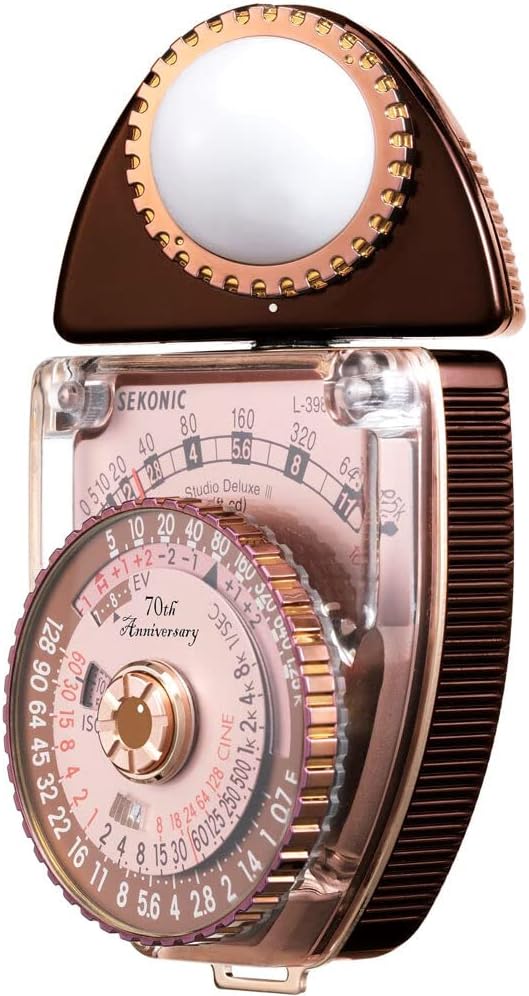
This 70th Anniversary Edition of the Studio Deluxe III offers a perfect 5.0-star rating for its refined analog performance. It provides instant reading of a full range of aperture and shutter combinations, maintaining the legacy of the original design.
We may earn a commission when you buy through this link, at no additional cost to you.
The build quality and finish reflect the significance of the anniversary, appealing to collectors and professionals alike. Users appreciate the immediate exposure feedback without navigating complex menus, preserving the traditional photography workflow.
Due to its special edition status, it may come at a premium price and limited availability. However, the flawless user feedback indicates that the experience justifies the cost for those seeking the best analog meter available.
Opt for this model if you value the history and precision of Sekonic's classic meters with added collectible value. It stands as the pinnacle of analog light meter craftsmanship for discerning photographers.
Combines decades of proven technology with exclusive anniversary features for an unmatched analog experience.
Read full exposure ranges at a glance to keep your creative process uninterrupted during shoots.
We may earn a commission when you buy through this link, at no additional cost to you.
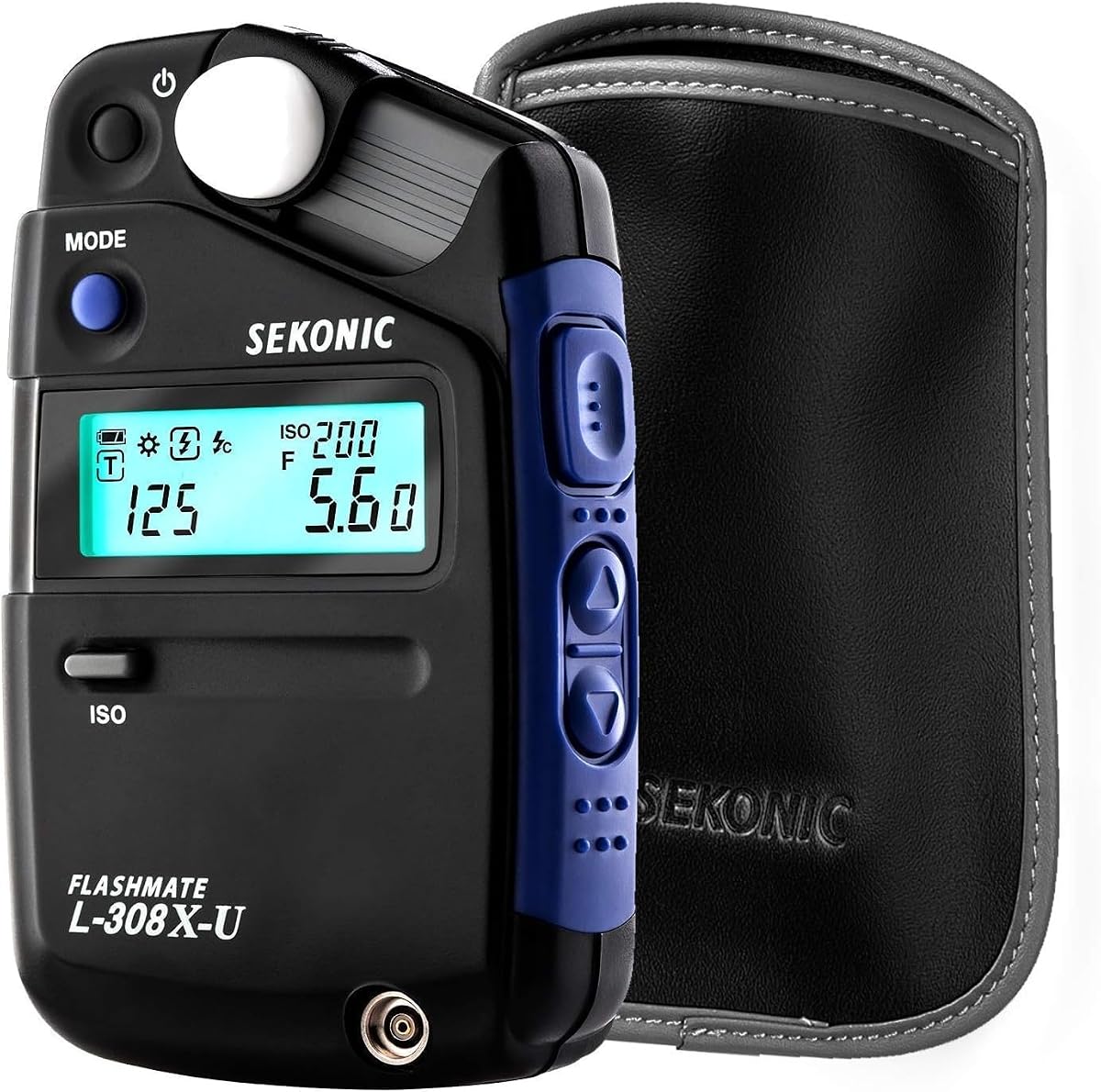
The Sekonic L-308X-U Flashmate is a compact digital meter that delivers analog-like simplicity with modern precision. Rated 4.7 stars, it measures ambient and flash light accurately down to a tenth-of-a-stop for both ambient and flash.
We may earn a commission when you buy through this link, at no additional cost to you.
Photo mode supports still photographers with aperture priority display, while Cine and HD Cine modes cater to videographers needing frame rate and shutter angle control. Its pocket-sized design and auto backlight ensure usability in various lighting conditions.
Although it is digital, the interface mimics the intuitive workflow of analog meters, offering the best of both worlds. The need for batteries is a minor trade-off for the added accuracy and specialized shooting modes it provides.
Choose this meter if you need a versatile tool that bridges photography and cinematography workflows. It offers professional-grade accuracy in a compact form factor that fits easily in your camera bag.
Designed specifically for cinema cameras, allowing precise control over frame rates and shutter angles.
Compact enough to carry everywhere without sacrificing the functionality needed for professional shoots.
We may earn a commission when you buy through this link, at no additional cost to you.
Selecting the right analog light meter involves considering several critical factors to ensure it meets your specific workflow needs.
Determine whether you need incident, reflected, or both types of measurements. Incident meters measure light falling on the subject and are essential for studio work, while reflected meters measure light bouncing off the subject for handheld use.
A meter offering both provides the most versatility across different shooting scenarios.
Analog meters often use amorphous photocells that eliminate the need for batteries, ensuring uninterrupted operation. Digital models rely on batteries, so consider how often you are willing to replace them during long shoots.
Battery-free options reduce long-term costs and avoid missed shots due to power failure.
Analog dials provide instant, clear visibility of aperture and shutter speed combinations without relying on small screens. Digital displays offer more precise values and additional features but may require more attention to view.
Choose a readout style that matches your preference for speed versus data precision.
Professional meters should be compact, durable, and capable of withstanding field conditions. Look for models with protective covers, solid construction, and ergonomics that allow comfortable one-handed operation.
A robust build ensures longevity and reliability regardless of where you work.
If you shoot video, check for Cine modes that support frame rates and shutter angles. Some models include additional features like lux and foot-candle toggles for broader environmental monitoring.
Specialized modes expand the utility of the meter beyond traditional still photography.
Consider what accessories come with the meter such as lumisphere, lumidisc, strap, and case. These tools help customize the meter for different lighting scenarios and protect your investment when not in use.
Comprehensive accessory packages save money and ensure you have what you need out of the box.
Verify the meter's lux range and accuracy specifications to match your shooting environment. Professional-grade meters often have tighter tolerances and broader dynamic ranges for precise exposure control.
Higher accuracy ensures consistent results critical for high-end production work.
Analog and high-end digital meters range significantly in price. Set a budget based on how often you will use the meter and the criticality of precision in your work.
Investing in a reliable model can save time and improve the quality of your output.
Start by positioning the sensor toward your light source or subject depending on whether you are measuring incident or reflected light. Press the metering button and read the values on the dial or screen to determine your aperture and shutter speed settings.
Ensure the sensor head is clean and free from obstructions that could skew readings. Use the lumisphere for general ambient measurements and switch to the lumidisc for selective area readings when needed.
Store the meter in its protective case when not in use to prevent physical damage. Avoid exposing the device to extreme temperatures or moisture that could affect sensor calibration or internal components.
Incident meters measure light falling on the subject, providing consistent exposure regardless of subject brightness. Reflected meters measure light bouncing off the subject, which can lead to exposure errors with very dark or light subjects.
Many analog meters use amorphous photocells that generate power from ambient light, eliminating the need for batteries. This design ensures reliable operation without worrying about power failure during shoots.
Yes, analog light meters work perfectly with digital cameras as exposure principles remain the same. You simply transfer the aperture and shutter values from the meter to your camera settings.
Most analog meters come factory calibrated and do not require user calibration. If you suspect errors, compare readings with a known reference meter under identical lighting conditions.
Essential accessories include a lumisphere for incident light, a lumidisc for selective readings, and a protective case. Some meters also come with straps and high slides for specific measurement needs.
Analog meters offer battery-free operation, instant readouts, and durability against electronic failure. They provide a tactile workflow that many professionals prefer for its simplicity and reliability.
Whether you opt for the classic Sekonic L-398A or a digital hybrid like the Flashmate, the right meter enhances your exposure control significantly. Each model offers unique strengths tailored to different professional workflows and preferences.
Prioritize reliability and accuracy in your purchase since precise measurements form the foundation of quality photography and cinematography. Consider how you will use the device most often to determine the best fit.
Always check current listings and availability before buying since prices can vary. With the right analog light meter, you gain a timeless tool for mastering light in any environment.