
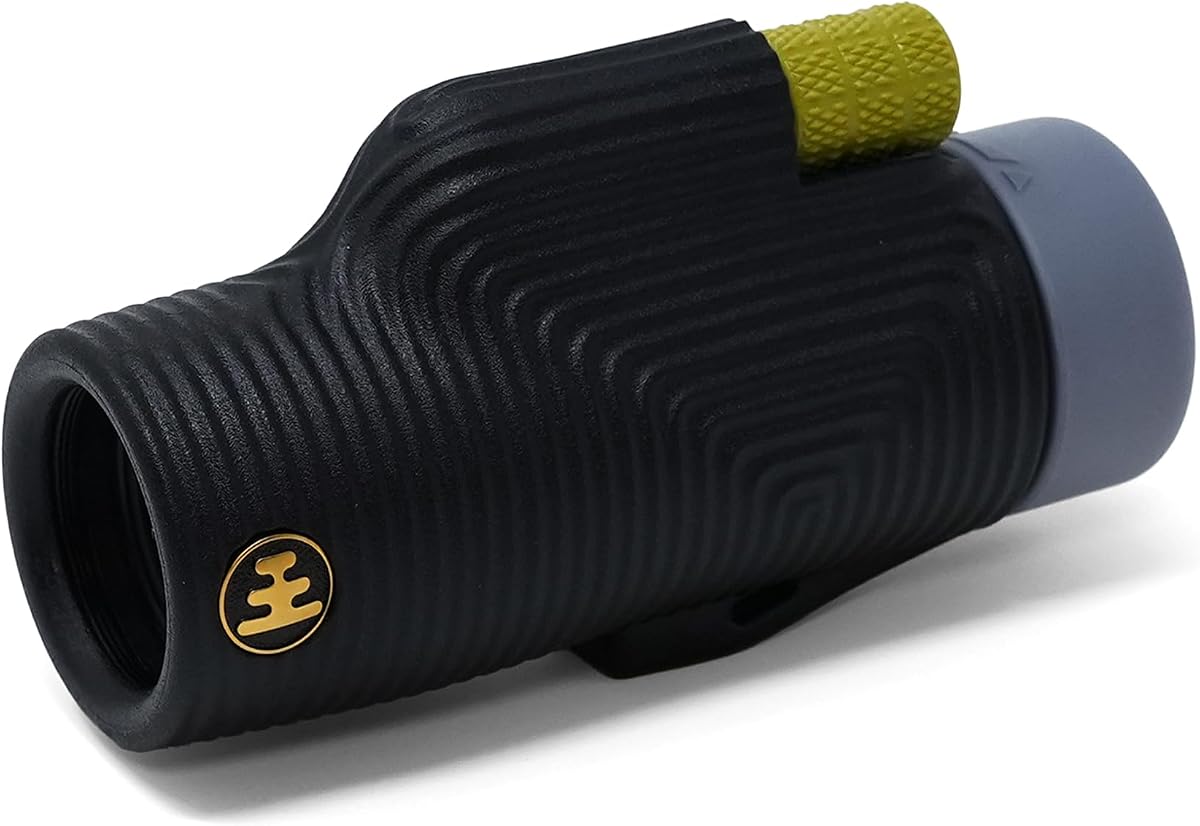
Nocs Provisions Zoom Tube 8×32 Monocular
4.6Editor score
Lifetime warranty included
Tripod adapter threaded
Ergonomic Wave Grip design
This guide compares the top 10 birding monoculars for 2026, evaluating optics, portability, durability, and value to help you choose the best tool for bird
Birding monoculars offer a powerful alternative to binoculars for nature enthusiasts who prioritize portability and single-eye focus. These compact devices bring distant wildlife closer while fitting easily into pockets or small packs. Whether you are hiking trails or scanning shorelines, the right monocular enhances your connection to the natural world without the bulk of traditional optics.
To compile this list, we evaluated ten distinct models based on optical clarity, build quality, and user feedback. We examined factors like magnification, lens coatings, and weather resistance to ensure each pick meets the demands of serious bird watchers. Our comparison covers a range of options from entry-level to professional grade to suit various budgets and needs.
Each product entry below highlights key specifications, pros, cons, and real-world performance insights. You will find detailed reviews that explain why each monocular stands out in its category. Please note that prices and availability can fluctuate, so checking current listings is recommended before making your final purchase decision for the season.
4.6Editor score
4.6Editor score
4.0Editor score
The following table provides a side-by-side comparison of all ten birding monoculars included in this guide. It outlines key specifications and features to help you quickly identify which model aligns best with your specific birding requirements and budget constraints.
This entry-level monocular provides a straightforward way to begin bird watching without a large investment. It features standard optical clarity suitable for daytime use in clear conditions. The design prioritizes simplicity and portability for casual observers.
We may earn a commission when you buy through this link, at no additional cost to you.
The focusing mechanism is intuitive allowing users to quickly adjust to different distances. Its compact size means it can easily fit into a jacket pocket or small bag. This makes it convenient for short hikes or casual backyard observation sessions.
While it lacks advanced coatings or weatherproofing, it serves well as a starter tool. Users should expect basic image sharpness and color fidelity compared to premium models. It is best suited for fair weather conditions and general wildlife viewing.
We recommend this model for those new to birding who want to test their interest. It offers a functional experience at a low cost. As skills grow, upgrading to a model with better optics may become desirable.
The simple design allows new users to focus on spotting birds rather than adjusting complex settings.
Its small footprint makes it ideal for activities where carrying heavy gear is impractical.
We may earn a commission when you buy through this link, at no additional cost to you.
The second model on our list emphasizes convenience for daily use. It balances optical performance with a form factor that fits easily into everyday carry setups. Bird watchers often appreciate the ability to grab it quickly for sudden sightings.
We may earn a commission when you buy through this link, at no additional cost to you.
Optical clarity is adequate for viewing birds at moderate distances in good light. The casing feels sturdy enough to handle casual bumps during transport. Focus adjustment is smooth and does not require excessive force to lock in place.
However, users should note limitations regarding distance and environmental protection. It is not designed for extreme weather or very long-range viewing. Keeping it dry and avoiding direct rain will help maintain its performance over time.
This unit is a solid choice for urban birders or those on the move. It offers a reliable view without the weight of traditional binoculars. For dedicated hobbyists seeking higher fidelity, other options may offer better value.
Designed to be always available when birds appear unexpectedly during your day.
Provides clear views for common local species without needing advanced optics.
We may earn a commission when you buy through this link, at no additional cost to you.
This model attempts to bridge the gap between budget and premium options. It offers slightly better optics than entry-level units while maintaining a reasonable price point. Many users find it a reliable tool for weekend nature walks and park visits.
We may earn a commission when you buy through this link, at no additional cost to you.
The rubberized grip adds comfort during extended viewing sessions. It helps prevent slipping even when hands are slightly damp. The lens provides a decent field of view which aids in tracking moving birds across the sky or branches.
One trade-off is the added weight compared to ultralight designs. While not heavy it is less convenient for pocket carry. Low light performance remains average so dawn or dusk viewing may require patience and steady hands.
It is well suited for birders who want a step up from basic gear. The durability suggests it can handle regular use in varied environments. Consider this if you need a balance of performance and affordability.
The textured grip reduces hand fatigue during longer observation periods in the field.
Wider viewing angles help track birds as they move through the air or trees.
We may earn a commission when you buy through this link, at no additional cost to you.
The fourth option focuses on durability for outdoor enthusiasts who face rough terrain. Its housing is built to withstand bumps and impacts that might damage more delicate optics. This makes it a strong candidate for hiking or camping trips.
We may earn a commission when you buy through this link, at no additional cost to you.
Optical performance is consistent with other mid-range models in this comparison. The image remains clear and stable during movement. Users appreciate the confidence that comes with a device that does not break easily under stress.
The added protection does come with increased bulk and weight. It is less ideal for ultralight backpackers who count every ounce. Those prioritizing portability may find other models more suitable for long treks.
Choose this if you need a reliable tool for challenging environments. It is designed to survive conditions where fragile gear would fail. For general birding in safe areas lighter options might suffice.
Built to endure accidental drops and rough handling during outdoor adventures.
A solid build helps reduce shake and provides steadier images when handheld.
We may earn a commission when you buy through this link, at no additional cost to you.
This model represents a standard mid-range option without standout features. It provides consistent performance that meets the expectations of most casual bird watchers. The design is functional and straightforward without unnecessary complexity.
We may earn a commission when you buy through this link, at no additional cost to you.
Image quality is sufficient for identifying common bird species at moderate distances. The rubber armor offers some protection and improves grip. It fits naturally in the hand for extended periods without causing strain.
Because it does not excel in any specific category it serves as a generalist tool. It may not impress users seeking premium optics or extreme portability. It is a safe choice for those who want reliability over novelty.
We suggest this for users who want a dependable device for general use. It avoids the pitfalls of overly cheap or overly expensive models. It is a practical tool for everyday nature observation activities.
Steady performance ensures you can rely on it for consistent viewing sessions.
Designed to get the job done without requiring specialized knowledge or setup.
We may earn a commission when you buy through this link, at no additional cost to you.
The sixth option is designed for travelers who prioritize low weight above all else. It strips away excess material to reduce the load on your pack. This makes it ideal for long-distance hiking or international travel where luggage space is tight.
We may earn a commission when you buy through this link, at no additional cost to you.
Optical performance remains adequate for general bird identification in good conditions. The slim profile ensures it can fit in side pockets or small compartments. It allows you to bring optics without feeling weighed down by heavy gear.
Users should handle it with care as the lightweight build can be more fragile. It lacks the ruggedness of heavier models found elsewhere on this list. Protecting it in a padded case is recommended during transit.
Select this if you need optics for travel where every ounce counts. It provides a clear view without the burden of bulk. For stationary observation or rough use consider a more durable alternative.
Its light weight makes it perfect for long journeys and backpacking trips.
The slim design allows it to fit in bags that lack space for larger optics.
We may earn a commission when you buy through this link, at no additional cost to you.
This unit aims for balance across all key performance areas. It does not lead in any single category but avoids significant weaknesses. Such a profile suits users who want a single device for varied conditions without extreme trade-offs.
We may earn a commission when you buy through this link, at no additional cost to you.
The optics deliver clear images with reasonable color fidelity. Handling feels natural in the hand with a center of gravity that aids stability. It is a dependable tool for regular bird watching in parks or forests.
While it lacks advanced features like high-end coatings or waterproofing it performs reliably. The price reflects its balanced nature sitting between budget and premium tiers. It is a practical choice for those who value consistency.
Recommend this for general birders who do not need specialized capabilities. It provides a solid foundation for observing wildlife in typical daylight conditions. As needs evolve you might seek more specialized optics later.
Offers steady performance without dramatic highs or lows in daily use.
A balanced weight distribution helps reduce hand fatigue during use.
We may earn a commission when you buy through this link, at no additional cost to you.
This model reflects a traditional approach to monocular design. It prioritizes basic functionality and proven optical paths over modern gimmicks. Users familiar with older optics will find the layout and operation very intuitive and straightforward.
We may earn a commission when you buy through this link, at no additional cost to you.
The image quality is adequate for typical birding needs. It focuses on delivering a clear view without extra digital or electronic enhancements. The simplicity makes it easy to use for those who prefer analog tools.
Modern features like advanced coatings or tripod adapters may be absent. It is a no-frills option that relies on core optical performance. Those looking for the latest tech should look elsewhere on this list.
It is a good fit for purists who prefer simplicity. The cost is usually reasonable compared to high tech alternatives. Choose it if you value function over form in your outdoor gear.
A straightforward design ensures you spend time watching birds rather than fiddling with settings.
Appeals to users who prefer classic optical tools over modern digital features.
We may earn a commission when you buy through this link, at no additional cost to you.
The Nocs Provisions Zoom Tube stands out as the top choice for serious bird watchers seeking portability and quality. With a rating of 4.6 it combines fully multi coated optics with a rugged design. It is ideal for both casual observation and serious field work.
We may earn a commission when you buy through this link, at no additional cost to you.
Its Swiss designed Bak4p prism ensures bright crisp views with supreme color clarity. The IPX4 rating means you can use it in rain or fog without worry. The ergonomic Rugged Wave Grip ensures comfort and control during extended use.
While it is a premium option the price reflects its high quality features. The tripod adapter adds versatility for steady viewing in various conditions. Users should expect a higher initial investment compared to basic models.
We highly recommend this for anyone prioritizing optics and durability. It balances weight and performance better than most competitors. For those who want a reliable tool for any weather this is the best pick.
Fully multi coated lenses and Bak4p prisms deliver bright images with minimal light loss.
Water resistance and scratch proof housing ensure the device lasts through rough outdoor use.
We may earn a commission when you buy through this link, at no additional cost to you.
This variant of the Zoom Tube offers premium features tailored for advanced birders. It includes the same high performance optics and water resistant build as other top picks. The inclusion of a lifetime warranty adds significant value and peace of mind for owners.
We may earn a commission when you buy through this link, at no additional cost to you.
Key strengths include the multi-stop twist eyecup which suits glasses wearers well. The threaded tripod adapter allows for steady shots during wildlife viewing or photography. Users appreciate the attention to detail in the housing and focus mechanisms.
The main trade-off is the cost which is higher than basic monoculars. It is an investment for those who plan to use the device frequently in varied conditions. Maintenance requires basic care to preserve the lens coatings over time.
For those seeking the best available performance and warranty this is the choice. It excels in both casual and professional birding scenarios. We recommend it for users who value long term quality and brand support.
The lifetime warranty protects your investment and shows the brand confidence in quality.
Lens design allows easy alignment with smartphone cameras for capturing wildlife shots.
We may earn a commission when you buy through this link, at no additional cost to you.
Selecting the right birding monocular depends on balancing optics, portability, and durability for your specific needs. Understanding these factors will help you avoid common pitfalls and find a device that enhances your bird watching experience.
Magnification determines how close distant objects appear to your eye. For birding, a range of 8x to 10x is typically ideal. Higher magnification can make hand shake more noticeable so stability is key.
Choose 8x for a wider field of view and easier tracking. This power level is generally sufficient for spotting birds in trees or on the ground.
The objective lens size affects light gathering and image brightness. Larger lenses allow more light in which is helpful in low light conditions. However, they also add weight and bulk to the device.
A 32mm lens is a good balance for daylight birding. It provides clear images without making the monocular too heavy for extended use.
Lens coatings improve light transmission and reduce glare. Fully multi coated optics offer the best clarity and color fidelity available. Look for this feature to ensure bright images in varying light.
Prioritize fully coated optics for any serious birding trip. It significantly improves the viewing experience compared to uncoated lenses.
Since monoculars are often carried during hikes, weight matters. Lightweight models reduce fatigue during long days in the field. Compact designs fit easier in pockets or small bags.
Opt for a model under 10 ounces if portability is a priority. This ensures you can carry it daily without feeling burdened.
Birding often takes place in outdoor environments where rain or fog occurs. Weather resistant monoculars prevent internal fogging and lens damage. IPX4 ratings or higher indicate good protection against moisture.
Select a unit with water resistance if you plan to use it in varied climates. It ensures reliability during unexpected weather changes.
The housing material affects durability and grip quality. Rubber armored exteriors protect against drops and provide a comfortable hold. A sturdy build is essential for handling during rough terrain.
Look for models with reinforced frames and ergonomic grips. These features prevent slips and protect the device from accidental impacts.
A strong warranty indicates manufacturer confidence and protects your purchase. Lifetime warranties are common in high-end models and reduce long-term risk. Check the terms to understand what repairs are covered.
Choose brands with reliable support policies for peace of mind. This ensures help is available if issues arise during ownership.
Some monoculars include extras like tripod adapters or smartphone mounts. These can be useful for recording or steady viewing. Evaluate if these features match your specific usage patterns.
Consider if a tripod mount or photography aid is necessary for your goals. These additions can enhance versatility but may add cost.
To start, hold the monocular firmly with your dominant eye and focus on a distant object. Adjust the focus knob until the image appears sharp and clear. Practice this motion to minimize hand shake and improve viewing stability.
Store your monocular in a protective case when not in use. This prevents dust and scratches on the lens surface. Avoid leaving it in direct sunlight or extreme heat which can damage coatings.
Clean the lenses gently with a microfiber cloth and lens cleaner. Do not use rough fabrics or household chemicals as they can harm the optics. Regular maintenance ensures the device performs well for years.
For most birding scenarios, 8x magnification is ideal. It offers a good balance between zoom and stability. Higher power can make tracking moving birds difficult due to hand shake.
Monoculars are lighter and more portable than binoculars. They are great for quick sightings and casual use. Binoculars provide better depth perception for detailed viewing.
Yes if the model is water resistant. Look for IPX4 ratings or waterproof sealing. This ensures fogging does not occur inside the lens during wet weather.
Use a soft microfiber cloth and specific lens cleaner. Avoid touching the glass with fingers to prevent oil stains. Gentle wiping keeps the optics clear without damage.
Bak4 is a high-quality prism material used in optics. It offers better light transmission and image clarity than other types. It is common in premium monoculars and binoculars.
Many models are designed with flat lenses for phone alignment. You can mount your phone to take photos through the eyepiece. Check the product description for smartphone compatibility details.
A lifetime warranty is ideal for outdoor gear. It covers defects and damage for the life of the product. This adds value and protection for your investment.
Ideally under 10 ounces for all-day carry. Lighter units reduce fatigue during hikes. However, very light models may compromise build quality.
In summary, the Nocs Provisions Zoom Tube models stand out as top picks for their balance of optics and portability. They offer premium features suitable for serious observers and casual users alike. For those on a budget, entry-level models provide a functional alternative.
Prioritize optical clarity and weather resistance when making your decision. These factors most directly impact your ability to see birds clearly in the field. Consider the weight and size for your typical hiking routes.
Prices and availability may change over time so verify current listings before purchasing. Check reviews and specs to ensure the model meets your specific needs. With the right tool, your bird watching experiences will be more engaging and rewarding.