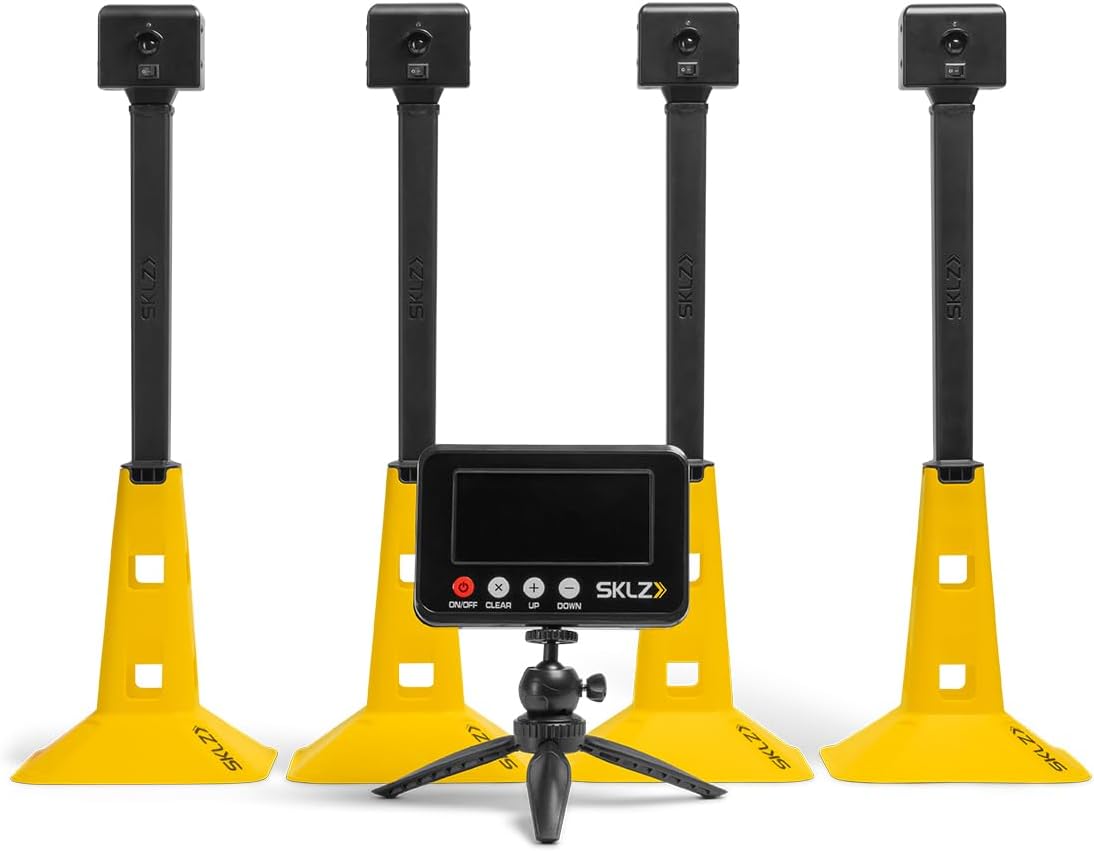
Speed Gates Pro
3.7Editor score
Radio frequency sensors up to 50 yards
Stores up to 50 recent times
Includes portable carry bag
This guide compares the top 10 electronic sprint timing systems to help coaches and athletes select reliable wireless or laser sensors for accurate speed
Electronic sprint timing systems provide precise measurements for athletes and coaches seeking to optimize performance. Modern units use laser or radio sensors to eliminate human error and deliver consistent results across various sports.
We evaluated ten leading models based on accuracy, portability, battery life, and ease of setup. Each product was reviewed for its ability to handle indoor and outdoor training environments effectively.
Every pick highlights key features and ideal use cases for different training goals. Prices may fluctuate over time, so check current listings before making a final purchase decision.
3.7Editor score

4.7Editor score

The following table provides a side-by-side overview of each system to help you identify key specifications and capabilities at a glance.


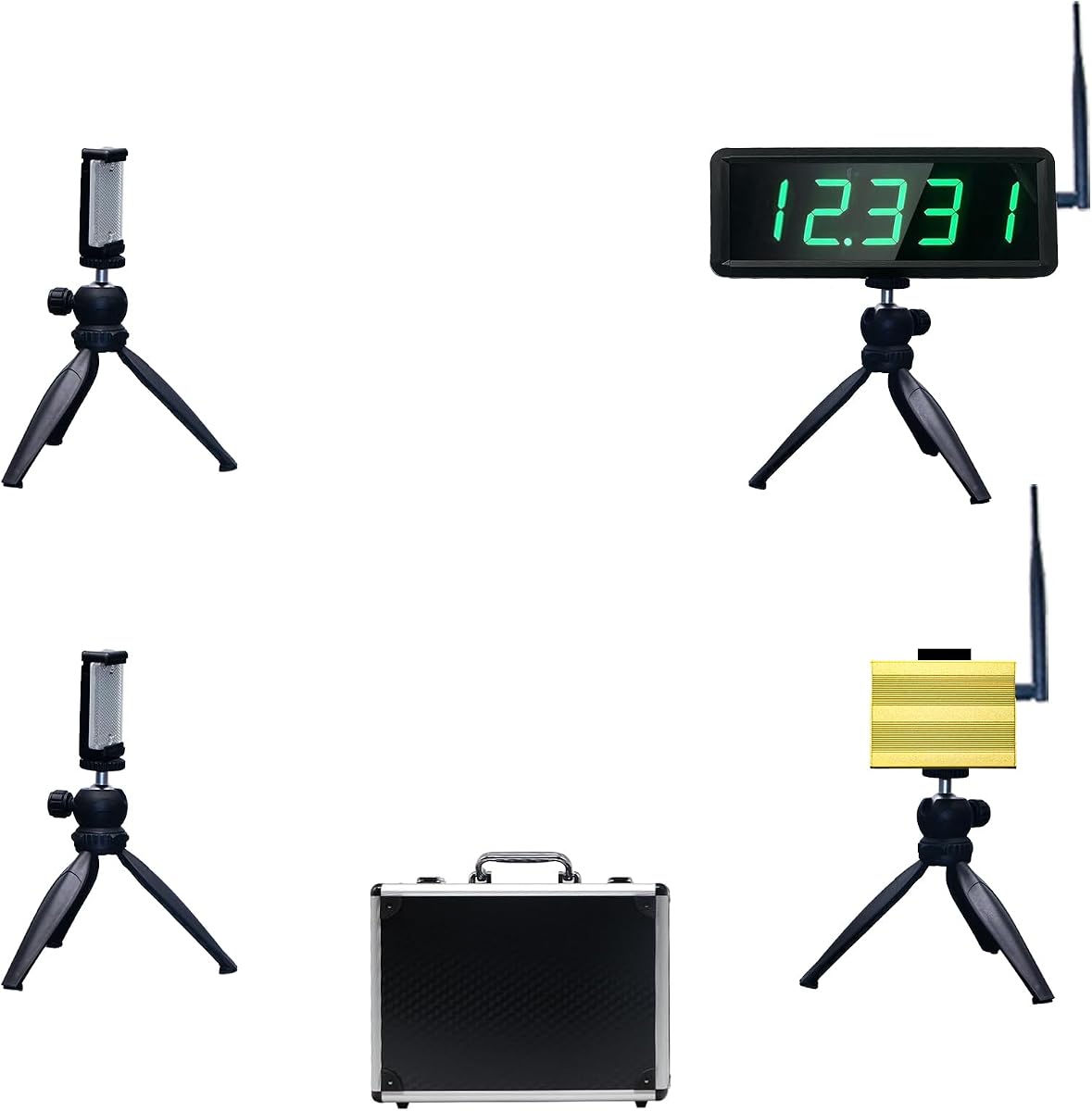


The 40/60 Yard Sprint Timer stands out as a top choice for athletes needing precise race timing. With a 4.7 rating, it delivers reliable performance across diverse training scenarios.
We may earn a commission when you buy through this link, at no additional cost to you.
Its precision is highlighted by timing accurate to 0.001 seconds, ensuring even split-second improvements are captured. The wireless communication range of up to 400 meters allows flexible placement for different track setups.
While the included tripod is compact, users may need to purchase a separate high bracket for specific competitions like 100 meter sprints. This trade-off is acceptable given the unit's precision and versatility.
Coaches and serious athletes looking for a dependable laser timer will find this model highly recommended. It balances professional features with practical usability for most training needs.
The ability to measure to 0.001 seconds provides athletes with detailed feedback essential for fine-tuning performance and tracking incremental gains over time.
With a communication range reaching 400 meters, this system accommodates various field layouts and ensures stability even when the display is far from the sensor.
We may earn a commission when you buy through this link, at no additional cost to you.
The Powered Wireless Laser Timer is built for ease of use with features like body buttons that eliminate the need for a remote. Its 4.5 rating reflects strong performance and durability.
We may earn a commission when you buy through this link, at no additional cost to you.
Four sturdy tripods extend to 5.25 feet, allowing height customization for different drills. The HD display ensures clear visibility even under bright sunlight, which is crucial for outdoor training.
The unit runs on a built-in lithium battery offering up to 8 hours of continuous use, supported by a plug-in mode for extended sessions. The carrying case protects it during transport.
This system is ideal for coaches who value simplicity and robust construction. It serves athletes of all levels by providing a stable and user-friendly timing solution.
Intuitive body buttons allow for quick start, stop, and reset functions without relying on external remotes that can be misplaced or fail to connect.
With tripods extending up to 5.25 feet, the timer can be positioned optimally to match specific training heights or to clear obstacles on the field.
We may earn a commission when you buy through this link, at no additional cost to you.
This model is celebrated for its versatility across various activities ranging from running to skating. The 4.7 rating indicates consistent satisfaction from users across different athletic disciplines.
We may earn a commission when you buy through this link, at no additional cost to you.
Its timing precision is enhanced by a five-digit digital display accurate to 0.001 seconds. The LED display is designed to resist visible light interference, ensuring reliable readings indoors or outdoors.
While the tripod is smaller than some competitors, the wireless capability of up to 400 meters allows it to be used effectively in large training areas. Additional brackets can be bought for specific needs.
Athletes needing a portable yet precise solution will appreciate this model's balance of features. It is particularly valuable for multi-sport environments where timing accuracy is paramount.
The system supports timing for diverse activities such as motorcycles, pets, and field training, making it a flexible tool for various coaching programs.
With effective communication up to 400 meters and stability under direct sunlight, users can rely on consistent data transmission during long training sessions.
We may earn a commission when you buy through this link, at no additional cost to you.
The Dashr 2.0 Timing Systems offers a complete 3 gate configuration suitable for complex timing setups. A perfect 5.0 rating highlights its reliability and effectiveness for serious training.
We may earn a commission when you buy through this link, at no additional cost to you.
This system includes lasers, reflectors, and tripods, providing a comprehensive solution out of the box. It is designed to meet the high standards required in professional athletic environments.
While it represents a higher investment, the inclusion of all necessary components reduces the need for additional purchases. Its design focuses on delivering accurate and repeatable results for performance analysis.
Organizations looking for a professional grade system will find this model an excellent choice. It provides the robustness and completeness needed for competitive-level speed training.
Having three gates included allows for detailed breakdown of splits and phases in a sprint, offering deeper insights into athlete performance dynamics.
The perfect rating suggests consistent satisfaction, indicating the system meets rigorous standards expected in professional coaching and competitive settings.
We may earn a commission when you buy through this link, at no additional cost to you.
The SKLZ Speed Gates provide a straightforward way to track sprints and speed drills for team settings. Its 3.6 rating suggests it may have limitations but offers solid utility.
We may earn a commission when you buy through this link, at no additional cost to you.
The system features light indicators that confirm gate alignment in seconds, saving setup time during busy practice sessions. It can record up to 50 recent times for review without external devices.
Powered by 10 AA batteries, the unit ensures long operation without charging. The included carry bag makes it easy to transport to fields or gyms as needed.
Teams focused on quick setup and budget-friendly options will find this system useful. It is particularly effective for basic speed tests and progress tracking over a season.
LED lights on sensors confirm alignment in seconds, allowing coaches to start drills immediately without complex calibration steps.
Storing up to 50 recent times enables side-by-side athlete comparison and helps track improvement over time without needing additional record keeping tools.
We may earn a commission when you buy through this link, at no additional cost to you.
The YZ Laser Timer is well suited for lap and speed training across different sports. With a 4.3 rating, it offers dependable performance and a user-friendly design.
We may earn a commission when you buy through this link, at no additional cost to you.
Its timing error is less than 0.001s in one hour, ensuring accuracy is maintained throughout extended sessions. The five-digit display shows precise results that are easy to read.
Powered by a battery offering up to 10 hours of use, it avoids the need for a power bank connection. The toolbox packaging keeps all components organized for quick transport.
Athletes seeking a robust timer for consistent lap times will appreciate this model. It combines simplicity with precision for effective speed training outcomes.
With up to 10 hours of battery life, the timer supports long training sessions without interruption, ensuring uninterrupted data collection.
The toolbox style packaging helps organize all parts neatly, making it convenient to transport and store the system after use.
We may earn a commission when you buy through this link, at no additional cost to you.
This system offers six different usage modes to suit various training scenarios ranging from lap times to sprint drills. The 2.5 rating suggests potential challenges with reliability or setup.
We may earn a commission when you buy through this link, at no additional cost to you.
It includes a flight case for secure transport and supports a high tripod for elevated timing. The wireless design eliminates cables, reducing trip hazards during intense practice sessions.
A built-in rechargeable battery provides up to 7 hours of continuous use. However, the need to connect to a wireless antenna may complicate initial setup for some users.
Athletes needing diverse timing modes and a protective case may find value here. It is a flexible tool for those willing to navigate its specific setup requirements.
With six different modes available, the timer can adapt to various needs such as interval training or monitoring multiple runners simultaneously.
The included flight case offers robust protection during transport, ensuring the system remains safe during regular travel to different training venues.
We may earn a commission when you buy through this link, at no additional cost to you.
The Speed tech Single Training Version focuses on precise timing for individual athletes across sports like skating and racing. Its 4.2 rating indicates reliable performance and ease of use.
We may earn a commission when you buy through this link, at no additional cost to you.
It supports a wireless distance of up to 500 meters, allowing flexible placement. The unit uses USB power banks for operation, eliminating the need for dedicated chargers.
However, the device may need three power banks, and sensors must be placed 2 meters apart to avoid interference. These specifics require attention during setup to ensure accuracy.
Solo athletes looking for a straightforward timing solution will find this model effective. It offers the necessary range and simplicity for focused training sessions.
With a communication distance of 500 meters, the timer can be used in large training environments while maintaining stable connectivity.
Support for standard USB power banks makes recharging simple and accessible for users who already carry these accessories.
We may earn a commission when you buy through this link, at no additional cost to you.
The TimeRider Laser Timing System is designed for reliable speed training with a focus on durability. It features a precise laser sensor that delivers timing down to 0.001s.
We may earn a commission when you buy through this link, at no additional cost to you.
Its bright LED display ensures visibility even under direct sunlight, making it suitable for outdoor tracks. The wireless design eliminates tripping hazards and simplifies the setup process.
The system offers dual power options with a rechargeable battery providing up to 10 hours of runtime. A portable storage case makes it convenient to move between locations easily.
Coaches seeking a solid and wireless-friendly system will find this model appealing. It provides essential features needed for consistent speed testing and training.
The solid sturdy body construction ensures the unit can withstand regular use in training environments without damage.
Eliminating cables reduces trip hazards for athletes, allowing for a safer and more streamlined training experience.
We may earn a commission when you buy through this link, at no additional cost to you.
The Power Systems Brower TCi is designed for competitive environments where accuracy is non negotiable. It ensures reliability through redundant transmissions of start and finish data.
We may earn a commission when you buy through this link, at no additional cost to you.
The system supports 32 independent channels, allowing multiple timing systems to operate side by side without interference. Wireless synchronization eliminates the need for cable setup during events.
Signal strength analysis provides extra assurance that data is transmitted correctly. While expensive, it meets the rigorous demands of official competitions and professional analysis.
Organizations running official meets or training elite athletes should consider this premium model. It offers the highest level of redundancy and channel capacity available.
Redundant transmissions send each start and finish up to 12 times, ensuring that critical timing data is never missed during events.
32 independent channels enable multiple teams or systems to run simultaneously without interference, ideal for large scale competitions.
We may earn a commission when you buy through this link, at no additional cost to you.
Selecting the right electronic sprint timing system depends on several factors including accuracy, sensor type, and portability. Understanding these details will help you make an informed decision.
Look for systems that provide timing accurate to 0.001 seconds to capture every fraction of a second. High accuracy ensures reliable data for performance tracking and coaching adjustments.
Prioritize models with verified precision ratings to ensure your training efforts are measured correctly.
Most systems use laser or radio frequency sensors. Laser sensors offer high precision while radio frequency can be more versatile in varied environments. Choose based on your specific sport needs.
Evaluate the effective distance of sensors to ensure they cover the length of your tracks or fields.
Battery life determines how long you can train without interruption. Aim for at least 6 to 10 hours of continuous use depending on your session length. Rechargeable batteries are often more convenient than disposable options.
Check for plug-in capabilities if you need extended continuous operation beyond battery limits.
Portable systems are easier to transport between different training locations. Look for carrying cases and lightweight designs. Compact tripods help reduce the overall weight of the setup.
Ensure the system is easy to pack and unpack quickly between workouts to maintain a smooth workflow.
The timer display should be clear and visible in direct sunlight or indoor lighting. LED displays with high brightness ensure coaches can read times without difficulty. Clear visibility prevents errors in recording data.
Choose models with anti-glare features if you train frequently outdoors under bright conditions.
Wireless synchronization reduces setup time and eliminates cable trip hazards. Systems with strong wireless ranges offer more flexibility in placement. Check if the system requires antennas or if it connects directly.
Prioritize wireless features to simplify setup and ensure a safer environment for athletes during sprints.
Memory capacity allows you to review recent results without external devices. Look for units that store at least 50 recent times for analysis. This feature helps in tracking progress over a season.
Choose systems with easy-to-access memory functions to streamline your data review process.
A sturdy frame ensures the system withstands regular use and transport. Look for durable materials like alloy or reinforced plastics. Durability extends the lifespan of the equipment over time.
Consider models designed for rugged use if you train in varied weather or field conditions.
Start by positioning the sensor and display unit on a stable surface or tripod. Ensure the alignment lights or signal indicators show that the system is ready for use before the athlete begins the sprint.
Activate the timing mode by pressing the designated start button or automatic trigger. The system will begin counting down or start timing as soon as the athlete crosses the start line sensor.
After recording the result, use the memory function to save or view recent times. Store the unit in its protective case to avoid damage and keep the lens clean for consistent accuracy during use.
For most training purposes, timing accurate to 0.01 seconds is sufficient. Competitive settings may require 0.001 seconds to capture slight performance differences. Check the specific needs of your sport for the required standard.
Yes, most systems are designed for both indoor and outdoor use. Ensure the display is readable under gym lighting. Wireless connectivity may vary slightly indoors due to wall interference.
Many modern systems have body buttons to eliminate the need for remotes. This reduces the risk of lost controls. Check the product details to confirm if a remote is included or optional.
Look for models with anti-glare displays designed for outdoor visibility. Position the display in a shaded area if possible. Bright LED units are specifically designed to remain clear in direct sunlight.
Most systems include basic tripods or stands. However, some may require separate high brackets for competitions. Check the product specs to see what accessories come in the package.
Use a soft cloth to wipe the sensor lens gently. Avoid using harsh chemicals that may damage the optical components. Keep the lens free of dust to maintain signal accuracy.
High-end systems offer multiple channels to prevent interference. Basic models may have limited channel capacity. Ensure the systems you buy support simultaneous operation if needed.
The 40/60 Yard Sprint Timer stands out as an overall top pick due to its high precision and versatile wireless range. It delivers consistent results for a variety of training needs.
For professional settings, the Dashr 2.0 Timing Systems offers a complete solution with three gates and high user ratings. Choose the model that best aligns with your specific training goals.
Prices and availability may change, so always verify current listings before purchasing. Invest in a system that fits your budget and performance needs to enhance your athletic training effectively.