
G-PLUG 15FT RG8X Coaxial Cable
4.5Editor score
Pure copper core design
Double shielded construction
Flexible weather resistant
This guide compares the top coax cables for ham radio to help you choose low loss options with durable connectors and reliable signal performance.
Choosing the right coaxial cable is crucial for ham radio operators seeking clear communication and reliable signal transmission across various bands.
We evaluated ten highly rated products based on construction quality, signal loss characteristics, connector durability, and overall versatility for different setups.
Each pick highlights key strengths and practical use cases so you can find the best match for your station while noting that prices may fluctuate.
4.5Editor score

4.7Editor score
4.7Editor score
The following comparison table offers a side-by-side look at the key specifications and strengths of each selected coaxial cable for ham radio.


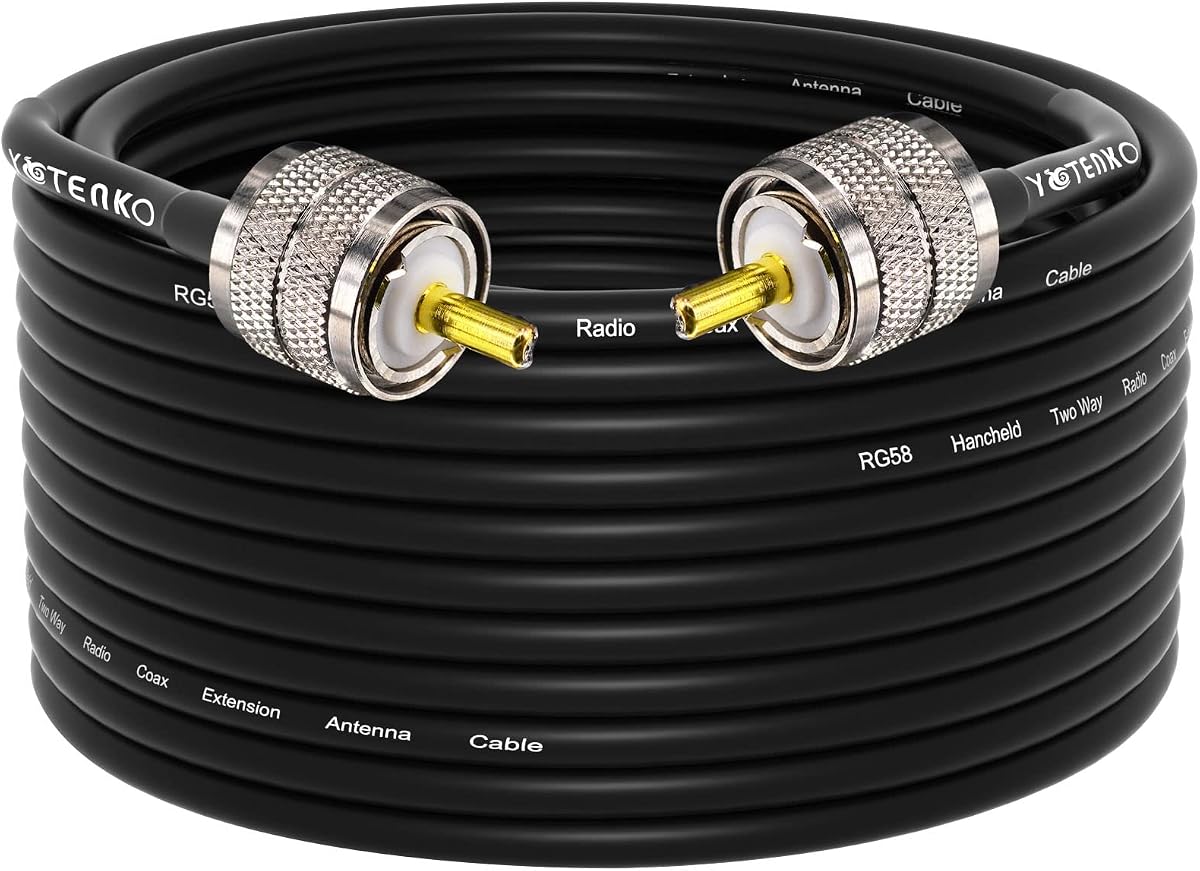

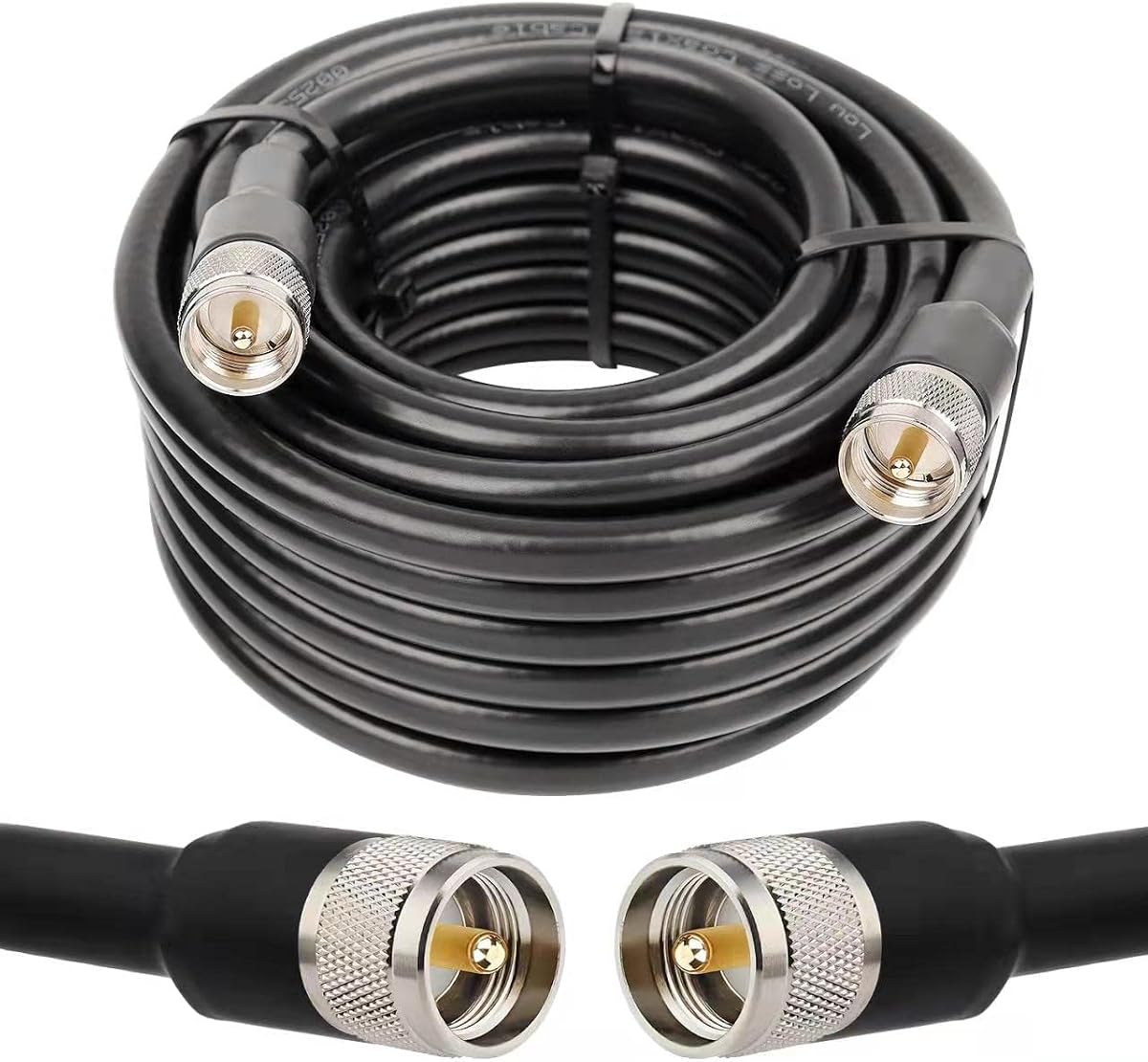

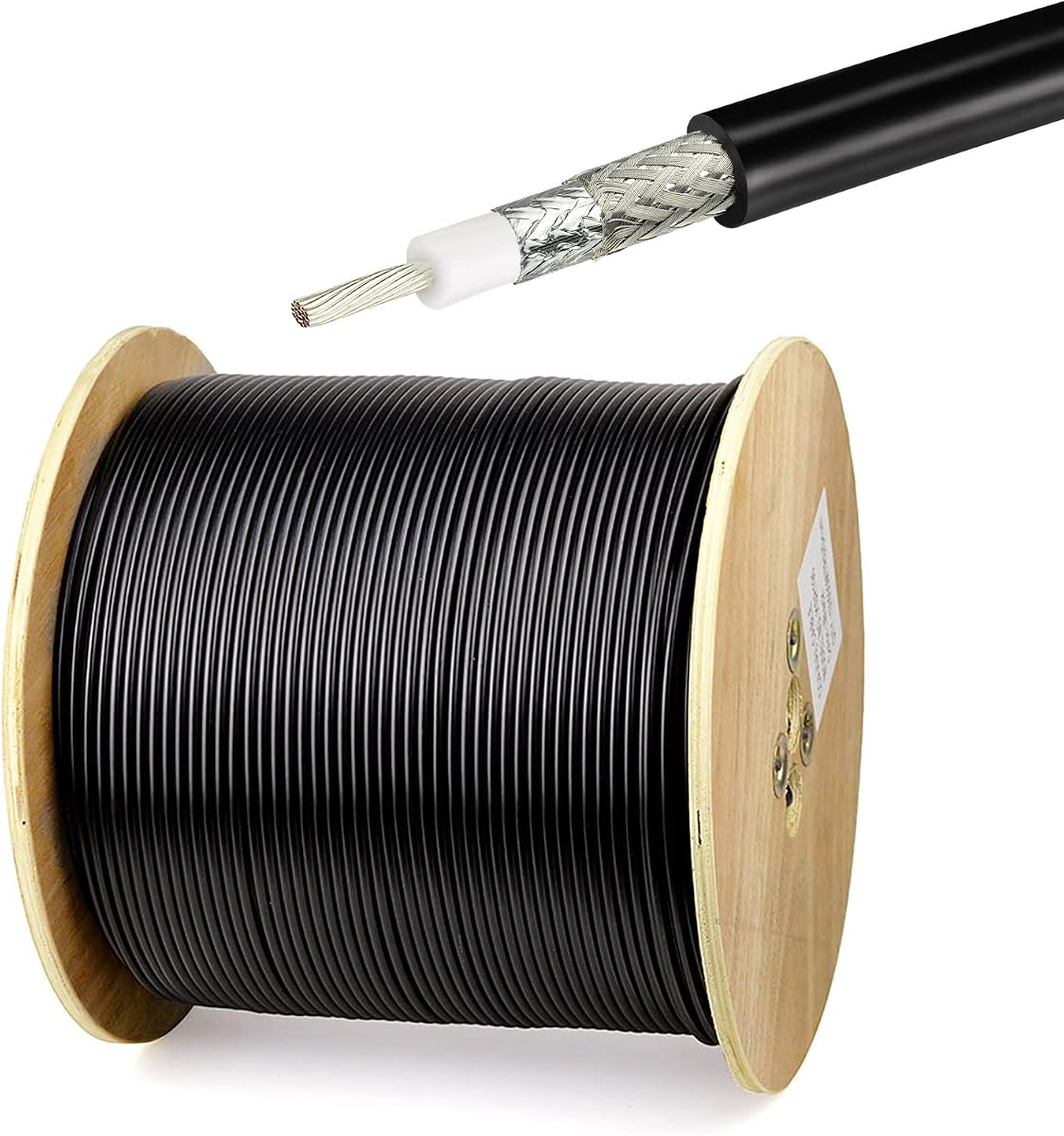
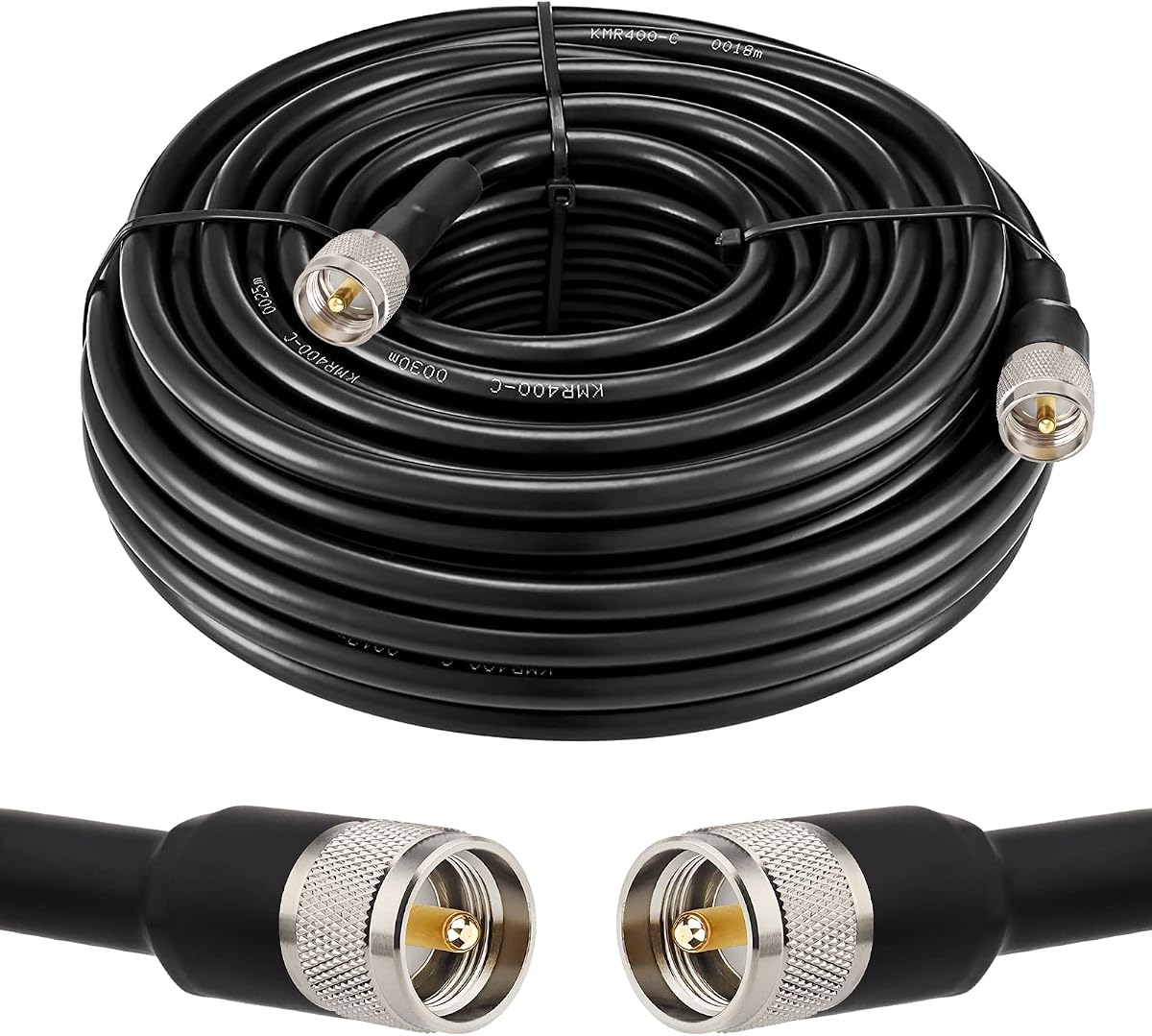
This MOOKEERF 50ft KMR400 cable earns our Editor's Choice for its impressive low loss performance and robust construction that outperforms many standard options.
We may earn a commission when you buy through this link, at no additional cost to you.
It features a copper clad aluminum inner conductor paired with dual shielding to maximize signal integrity even over long distances at high frequencies.
While the price is higher than basic RG8X cables the enhanced durability and heat shrink protection justify the cost for serious operators needing reliability.
Radio amateurs and boat owners should consider this cable for its ability to handle harsh environments while maintaining clean signal transmission.
The low loss specification ensures your transmitted power reaches the antenna efficiently without wasting energy as heat along the run.
Adhesive lined heat shrink tubes seal the connector ends against moisture which prevents corrosion and connection failures over time.
We may earn a commission when you buy through this link, at no additional cost to you.
The G-PLUG 15FT RG8X stands out as an excellent budget option offering pure copper performance without the premium price tag of larger cables.
We may earn a commission when you buy through this link, at no additional cost to you.
Its double shielded design minimizes interference while the gold plated pins and nickel plated brass bodies ensure stable connections that resist corrosion.
The short length makes it ideal for short jumps between radio units and antennas where long distance signal loss is not a primary concern.
Hobbyists and those needing a simple jumper cable will find this offers reliable performance and value for smaller indoor or mobile setups.
Despite the low price the cable maintains high quality materials that deliver consistent signal transfer for casual operators.
The fifteen foot length is perfect for desktop stations or vehicle installations where compact routing is necessary.
We may earn a commission when you buy through this link, at no additional cost to you.
The XRDS 100FT KMR 400 is a premium choice built for long distance runs and harsh outdoor conditions where performance cannot be compromised.
We may earn a commission when you buy through this link, at no additional cost to you.
Its larger diameter cable supports better signal retention than standard types and the UV proof jacket is rated for twenty years of outdoor exposure.
The clamp connector design offers a more secure connection than crimp types preventing accidental disconnection during maintenance or heavy wind events.
Professional users or those with large antenna farms should consider this cable for its robust build quality and extended service life.
The specialized jacket material resists UV degradation and weather elements ensuring consistent performance over many years outdoors.
Clamp connectors provide a tight fit that is less likely to loosen over time compared to standard crimp connectors.
We may earn a commission when you buy through this link, at no additional cost to you.
This RG8x Coaxial Cable offers a solid performance with a 17AWG pure copper inner conductor that delivers lower loss than smaller cables.
We may earn a commission when you buy through this link, at no additional cost to you.
Double shielding helps prevent signal leakage and interference which keeps your transmissions clear even in areas with high electronic noise.
The flexible PVC jacket makes it suitable for both indoor and outdoor applications ensuring durability against everyday wear and tear.
Ham radio users looking for a reliable standard length cable will appreciate its compatibility with various 50 Ohm RF systems.
The thicker copper core allows for better power handling and reduced resistance compared to thinner RG58 alternatives.
Dual layers of shielding guard against external signals that could otherwise degrade your transmitted or received audio.
We may earn a commission when you buy through this link, at no additional cost to you.
The STEREN RG8X Coaxial Cable is designed for optimal signal quality with fully molded nickel plated UHF PL259 connectors for reliability.
We may earn a commission when you buy through this link, at no additional cost to you.
It steps up from standard RG58 cables to provide better performance for high powered applications and base station antenna setups.
The fully molded connectors ensure a secure fit that resists vibration and stress preventing connection failures during active use.
Operators needing durable cable for HF antennas or vehicle installs will find this option delivers stable performance across various setups.
Nickel plating on the PL259 connectors resists corrosion and ensures a consistent electrical path for your RF signal.
From base stations to portable setups this cable adapts to many different antenna configurations and radio systems.
We may earn a commission when you buy through this link, at no additional cost to you.
This RG58 Coaxial Cable is specifically engineered for flexibility making it ideal for mobile installations and tight routing spaces.
We may earn a commission when you buy through this link, at no additional cost to you.
It features real bare copper shielding instead of cheap aluminum which ensures better soldering properties and oxidation resistance over time.
The extended six centimeter heat shrink tubing provides heavy duty strain relief that protects solder points from breaking during bending.
Mobile radio enthusiasts and those needing a lightweight cable for temporary setups will appreciate its ease of use and routing.
The small diameter allows the cable to pass through window frames and conduits that would block thicker coaxial types.
Extra strain relief reduces mechanical stress on connectors preventing premature failure at the most vulnerable points.
We may earn a commission when you buy through this link, at no additional cost to you.
The exgoofit RG8X Coaxial Cable offers a substantial one hundred foot length ideal for runs from indoor stations to outdoor antennas.
We may earn a commission when you buy through this link, at no additional cost to you.
Its 16AWG inner conductor is made of tinned pure copper strands that provide strong conductivity and durability for long term use.
Double shielding prevents signal leakage while the strong PVC jacket ensures the cable remains waterproof for indoor and outdoor use.
Operators needing a long jumper cable will value this option for its combination of length reliability and warranty support.
The 100 foot length provides ample slack to route cables around obstacles without needing additional connectors.
A two year warranty adds peace of mind for buyers investing in longer cables that are critical to their setup.
We may earn a commission when you buy through this link, at no additional cost to you.
This MOOKEERF RG8 cable delivers impressively low loss of less than 1.5dB at 450MHz which is excellent for VHF and UHF operations.
We may earn a commission when you buy through this link, at no additional cost to you.
The clamp design on the connectors is heavy duty and prevents breakage better than standard crimp styles used on many other cables.
Adhesive lined heat shrink seals the connector ends against moisture which ensures sturdy performance even in extreme weather conditions.
Operators focused on VHF and UHF bands will appreciate the optimized loss characteristics and durable connector build quality.
Less than 1.5dB loss at higher frequencies ensures your signal reaches the antenna with minimal degradation.
The clamp design provides a stronger mechanical bond between the connector and cable for better durability.
We may earn a commission when you buy through this link, at no additional cost to you.
This XRDS -RF RG-316 Coax Cable is a miniature coax with a tiny 0.1 inch diameter that allows for extreme flexibility in tight spaces.
We may earn a commission when you buy through this link, at no additional cost to you.
Silver plated copper conductors and a flexible teflon jacket ensure very low signal loss and efficiency up to 6GHz frequencies.
The stranded lightweight core makes it perfect for applications where space is limited or frequent bending is required.
Radio amateurs needing a thin cable for portable stations or interconnections will find this offers excellent performance and handling.
The narrow diameter allows routing in compact equipment or portable setups where standard cables would not fit.
Silver plating on conductors reduces resistance which helps maintain signal clarity over the length of the run.
We may earn a commission when you buy through this link, at no additional cost to you.
The Superbat RG8x Coaxial Cable is a solid step up from RG58 offering low loss performance with a waterproof PVC jacket for outdoor use.
We may earn a commission when you buy through this link, at no additional cost to you.
It works for any 50 Ohm RF system and is compatible with PL259 SMA BNC and other connectors making it highly versatile.
The cable can be strapped and bent without inducing signal interference which helps simplify routing in complex installation scenarios.
Operators who need custom lengths can contact the manufacturer directly for tailored solutions beyond standard off the shelf lengths.
Support for multiple connector types means you can adapt this cable to various antenna and radio interfaces easily.
The cable construction allows for flexible routing without compromising signal integrity even when bent around corners.
We may earn a commission when you buy through this link, at no additional cost to you.
Selecting the right coaxial cable requires understanding how different specifications impact signal quality and durability across various operating conditions.
The inner core material significantly affects signal integrity over distance with pure copper being the best option for low loss.
Avoid cables using copper clad aluminum or steel cores if you need maximum performance as these materials increase resistance and signal attenuation.
Effective shielding is critical to preventing external interference from corrupting your transmitted or received signals.
Look for double shielding designs with foil and braid layers to ensure maximum protection against environmental noise.
Connectors are common failure points and materials like nickel plated brass or gold plated pins help resist corrosion and wear.
Ensure the connector style matches your equipment such as PL259 for UHF to maintain secure and reliable connections.
Outdoor installations demand jackets that resist UV degradation and water ingress to prevent long term damage.
Choose PVC or Teflon jackets rated for outdoor use if you plan to mount the cable outside or in harsh conditions.
Longer cable runs naturally result in higher signal loss so choose the shortest practical length to minimize attenuation.
For runs exceeding 50 feet consider higher quality cables like KMR400 or RG8 to maintain signal strength at the antenna end.
Not all coaxial cables perform equally across all amateur radio bands so check the rated frequency range before purchasing.
Higher frequency applications like VHF and UHF require cables with lower loss specifications to maintain effective communication.
Crimped connectors are common but clamp designs often provide more secure and durable connections for demanding environments.
Verify that the connector assembly method matches your installation needs to prevent connection failures during operation.
A manufacturer warranty provides assurance of quality and support if defects arise during normal use of the cable.
Prefer brands that offer clear warranty terms and responsive customer support for troubleshooting any installation issues.
Always inspect connectors for damage before installation and ensure they are tightened securely to prevent intermittent connections during operation.
Avoid bending the cable sharply at the connector ends which can stress the internal components and lead to signal failure over time.
Store unused lengths loosely coiled rather than wrapped tightly to prevent the jacket from cracking or the core from deforming.
RG8X is generally better for ham radio setups that require lower signal loss especially over longer distances or higher power applications. It features a thicker inner conductor and better shielding which helps maintain signal strength more effectively than RG58.
PL259 is a common connector type used for UHF radio applications including most amateur radio equipment. It is designed to provide a secure connection between coaxial cables and transceivers or antennas.
Yes outdoor rated cables can be used indoors and they are often more durable and flexible. However indoor cables may look cleaner and can be easier to manage in tight equipment racks.
To minimize signal loss choose a cable with thicker conductors and better shielding and use the shortest length possible for your setup. Avoid unnecessary connectors along the run as each one adds some loss to the signal path.
Grounding coax cables is essential for safety to protect against lightning strikes and electrical surges. Always use proper grounding kits and ensure the ground rod meets local electrical codes.
KMR400 is a low loss cable type equivalent to LMR400 and generally performs better than standard RG8 at higher frequencies. It uses a foam dielectric to reduce attenuation making it ideal for long runs.
You should visually inspect your coax cables at least twice a year for signs of wear cracks or corrosion on the connectors. Replace any sections that show damage to maintain system performance and safety.
Yes there are flexible coax cables designed specifically for mobile installations that can bend easily without breaking. Look for thinner diameter cables like RG58 or RG316 for routing in vehicles.
The top picks in this guide provide a mix of budget friendly and premium options that cater to different installation needs and performance requirements.
Prioritize cable quality and connector durability over minor price differences to ensure long term reliability for your ham radio communications.
Prices for these products may change over time so check current listings before buying to ensure you get the best value available today.