
Dental Photography Aid
4.6Editor score
Omni directional lighting
Fits most phones
USB charging capable
This guide compares the top 10 cameras for dental photography including intraoral and DSLR models to help professionals capture clear clinical images for
Choosing the right camera for dental photography is essential for accurate diagnosis and patient communication. High-quality images help you document conditions clearly and build trust with your patients effectively during consultations.
We evaluated ten top products based on image clarity ease of use and software compatibility. Our list includes specialized intraoral cameras and versatile DSLR options to suit different clinical workflows and budgets today.
Each pick highlights specific strengths like resolution speed or integration capabilities for your practice. Prices and availability change frequently so please check current listings before making your final purchase decision for your clinic.
4.6Editor score
4.4Editor score

4.5Editor score
This table provides a side by side overview of the ten selected cameras to help you compare key specifications and features quickly before choosing the right tool for your dental practice needs.


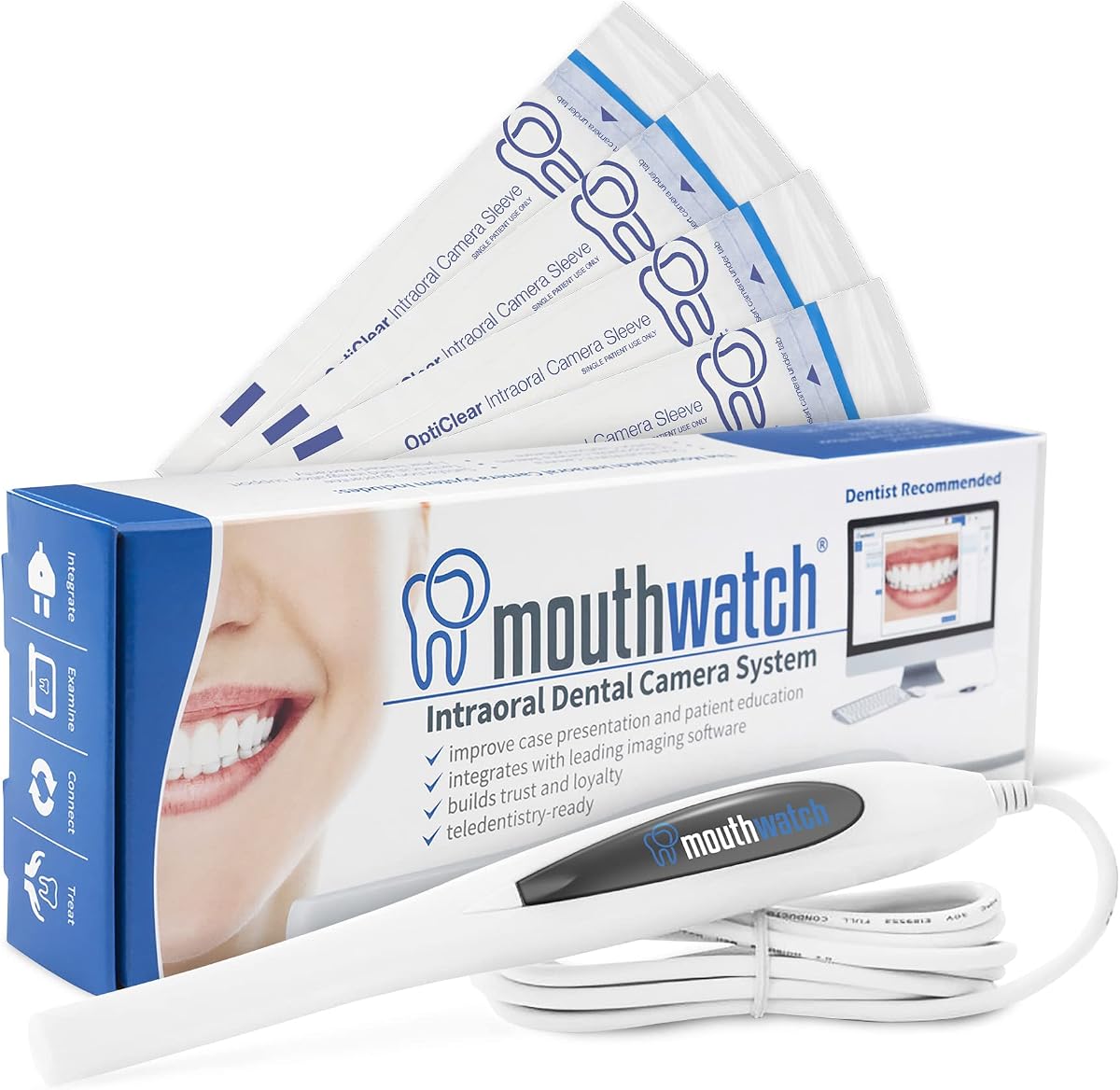
This intraoral camera is a leading choice for dental professionals seeking efficient image capture. With a rating of 4.4 out of 5 stars it stands out for its clarity and ease of integration into existing workflows.
We may earn a commission when you buy through this link, at no additional cost to you.
Its standout quality is the fixed focal distance of 4mm to 45mm which eliminates auto focus hunting. The single button operation allows you to take and save photos instantly without needing a mouse or keyboard during patient exams.
While it offers exceptional clarity and speed the fixed focal distance might limit some macro angles compared to adjustable lenses. However for routine intraoral documentation this trade off ensures consistent results without delay.
Clinics needing reliable integration with major imaging suites like Eaglesoft or Dexis should consider this model. It delivers the speed and clarity required to boost patient case acceptance and streamline documentation processes.
Save time with every patient interaction using the quick lag free click that instantly saves images to the patient chart.
Supports over 50 imaging solutions including Eaglesoft and Dexis ensuring it works well with your existing digital setup.
We may earn a commission when you buy through this link, at no additional cost to you.
The Canon EOS Rebel T7 offers excellent image quality for general photography tasks including dental documentation with the right lens. Its 4.6 star rating reflects strong performance and reliability for creative and clinical imaging needs.
We may earn a commission when you buy through this link, at no additional cost to you.
Key strengths include the 24.1 MP sensor and built in Wi-Fi which allow for easy sharing of images. The optical viewfinder provides a clear view of the subject which helps in precise framing during clinical observations.
However using this for intraoral work requires purchasing a separate macro lens and mastering manual focus techniques. It is more suited for pre and post treatment photos than detailed intraoral imagery.
Practices looking for a versatile camera that can handle both clinical records and marketing content will appreciate this DSLR. It provides the image quality needed for professional documentation at an accessible entry point.
Capture stunning true to life photos with the 24.1MP APS-C CMOS sensor designed to produce vibrant colors and sharp details.
Enjoy effortless connectivity with built-in Wi-Fi and NFC functions allowing you to quickly transfer photos to your devices for instant sharing.
We may earn a commission when you buy through this link, at no additional cost to you.
This bundle provides everything you need to start shooting with the Canon Rebel T7 including a memory card and bag. It carries the same 4.6 star rating as the base model for reliable performance and ease of use.
We may earn a commission when you buy through this link, at no additional cost to you.
The inclusion of a 64GB memory card and shoulder bag makes it a convenient package for clinics or educators. You get the powerful 24.1MP sensor and DIGIC 4+ processor right out of the box for sharp detailed images.
As with the base model you will need to invest in a macro lens for detailed dental photography. The weight of a DSLR might also be cumbersome for extended clinical use compared to lighter options.
For those starting a photography initiative in their practice this bundle offers great value and readiness. It simplifies the setup process so you can focus on capturing high quality clinical and promotional images immediately.
Items included are the camera with lens battery charger strap bag 64GB card and eyecup for a ready to use setup.
The built-in Wi-Fi and NFC functions allow you to transfer photos and videos to your smartphone or tablet for instant sharing.
We may earn a commission when you buy through this link, at no additional cost to you.
The Canon EOS R50 is a powerful mirrorless option that excels in versatility and video capabilities. With a 4.5 star rating it brings advanced features like 4K video and fast shooting to clinical imaging tasks.
We may earn a commission when you buy through this link, at no additional cost to you.
Its Dual Pixel CMOS AF II covers 100 percent of the area ensuring precise focus even in challenging clinical lighting. The 24.2 MP sensor delivers stunning clarity for detailed photos of dental work and conditions.
While it is highly capable the premium price and need for a macro lens may not suit every budget. It shines when clinics also need video content for education or social media along with still images.
Practices investing in a future-proof system will value the RF lens compatibility and advanced autofocus tracking. This camera balances professional quality with portability for modern dental marketing and documentation needs.
The 24.2 Megapixel CMOS sensor and DIGIC X processor deliver stunning image clarity and a high level of detail.
Dual Pixel CMOS AF II covers up to 100% area with 651 AF zones and features auto subject detection for sharper images.
We may earn a commission when you buy through this link, at no additional cost to you.
This Sony ZV-1 bundle is designed for creators but offers strong image quality for dental visuals. It carries a 4.3 star rating and includes essential accessories like a tripod and SD card for immediate use.
We may earn a commission when you buy through this link, at no additional cost to you.
The 24-70mm f/1.8-2.8 ZEISS lens captures crisp detail with beautiful background blur. This makes it suitable for before and after photos or educational videos where lighting and color are critical.
The focus on vlogging means the fixed lens may not reach the tight angles needed for intraoral shots. It is better for external dental documentation than inside the mouth.
Clinics producing video content or needing high quality portraiture will find this camera valuable. Its compact size and intuitive controls make it easy to use for both staff and patient demonstrations.
Equipped with a fast 24–70 mm f/1.8-2.8 ZEISS Vario-Sonnar T* lens and a 20.1 MP 1-inch stacked Exmor RS CMOS sensor.
The ZV-1 delivers with a 3-capsule directional microphone designed to isolate voices for clear audio in videos.
We may earn a commission when you buy through this link, at no additional cost to you.
This digital camera offers an affordable entry point for clinics needing decent images without high costs. It holds a 4.0 star rating and provides features like 88MP resolution and 8K video at a budget friendly price.
We may earn a commission when you buy through this link, at no additional cost to you.
The 3.2-inch IPS touch screen allows intuitive control for easy framing. It includes two batteries and a charging stand which ensures you can keep shooting without interruptions during busy clinic hours.
Be aware that entry level specs like 88MP are often marketing claims and real optical quality may vary. It serves well for general photos but may lack the precision required for clinical diagnosis.
For small practices or students needing a low cost solution this camera provides decent value. It is a practical option for basic documentation where budget is the primary concern over medical grade precision.
This digital camera captures every detail in stunning clarity with 8K video and an 88MP high-resolution sensor.
Easily connect via WiFi to transfer and share your photos and videos instantly through the iSmart DV2 app.
We may earn a commission when you buy through this link, at no additional cost to you.
The DY-50 intraoral camera is designed for wide compatibility with dental imaging software. With a 4.5 star rating it ensures you can integrate it into existing systems without major hardware changes.
We may earn a commission when you buy through this link, at no additional cost to you.
It comes with a capture button driver that allows the button to work directly with software like Eaglesoft and Dexis. This direct integration helps you capture images and save them to charts without extra steps.
The resolution is 1600×1200 which is adequate for most documentation though some might prefer higher megapixel counts. The anti-fog lens ensures clear visibility even during procedures where condensation is an issue.
Practices already using supported software will find this camera a reliable and easy upgrade. It offers the essential features needed for effective patient communication and clinical records at a reasonable cost.
Can be integrated into most North American imaging software with a clear picture quality that helps show treatment needs.
Ergonomic design makes it easy to take pictures from upper and lower capture button with a comfortable grip.
We may earn a commission when you buy through this link, at no additional cost to you.
The DARYOU DY-60 provides 4X zoom and HD video which adds flexibility for dental imaging. It holds a 4.3 star rating and supports a long list of dental software packages for seamless workflow.
We may earn a commission when you buy through this link, at no additional cost to you.
The ability to zoom 4X helps you capture specific details without moving the camera too close. This can be useful for highlighting small caries or cracks during patient education sessions.
While the 720P HD is standard it meets the needs for most clinical documentation. The included driver ensures the capture button works with your existing software without needing a foot pedal.
If you need a slightly more versatile camera for intraoral shots at a moderate price this model is worth considering. It balances zoom capability with ease of use for daily dental practices.
The camera features a 4X zoomable lens allowing you to get closer details of specific areas inside the mouth.
The capture button driver is included which makes the capture button work in your preferred imaging software directly.
We may earn a commission when you buy through this link, at no additional cost to you.
This system includes a 17 inch touchscreen computer which integrates viewing and capture into one device. It is designed to help identify issues and build trust with clear high definition visuals directly on the screen.
We may earn a commission when you buy through this link, at no additional cost to you.
The ability to switch between full-screen and quad-split views makes comparing before and after images efficient. This feature helps you document progress and plan treatments more effectively during consultations.
The WiFi QR code functionality allows quick photo transfers to devices without cables. This simplifies sharing images with patients or labs and streamlines the overall clinical workflow significantly.
For clinics wanting an all-in-one solution that reduces clutter and setup time this system is ideal. It provides a streamlined way to manage dental imaging and patient data in a modern practice.
The integrated 17-inch touchscreen computer lets you seamlessly switch between full-screen and quad-split views.
With WiFi QR code functionality you can transfer patient photos to any device in seconds without cables.
We may earn a commission when you buy through this link, at no additional cost to you.
This lighting kit is a useful accessory that works with most smartphones or cameras for dental photography. With a 4.6 star rating it helps improve lighting conditions inside the mouth for clearer results.
We may earn a commission when you buy through this link, at no additional cost to you.
The fully adjustable brightness allows you to control illumination levels to avoid harsh shadows. Its omni directional design permits ideal views inside the mouth by positioning the lights precisely around the unit.
Since it is a light kit it requires you to have a camera or phone to capture the images. It is a cost effective way to upgrade existing equipment without buying a whole new camera system.
For clinics or individuals needing better lighting on a budget this aid is highly practical. It makes taking oral images easier and more professional while keeping costs low for daily use.
The light has fully adjustable brightness from ZERO to 100 percent to meet all the requirements of dental photography.
The handpiece bracket is removable so you can adjust the angle when taking pictures for better views.
We may earn a commission when you buy through this link, at no additional cost to you.
Choosing the right camera depends on your practice needs and budget. This guide outlines key factors to consider before you buy.
You can choose between intraoral cameras and general DSLR or mirrorless cameras. Intraoral cameras are designed specifically for inside the mouth and offer ease of use. DSLRs provide higher resolution and versatility for external shots.
Decide if you need intraoral documentation or general photography for marketing and patient education.
Resolution determines the clarity of your images. Look for at least 10MP or higher for detailed views. Higher resolution helps in zooming into specific dental features without losing quality.
Prioritize sensors with good color accuracy and sharp details for clinical use.
Ensure the camera works with your existing dental practice management software. Many intraoral cameras come with drivers that support major suites like Eaglesoft and Dexis.
Check the compatibility list to avoid extra steps or new software purchases.
Look for features like single button capture or automatic focusing. These save time during busy patient appointments. Ergonomic design ensures comfort during extended use.
A user friendly interface allows staff to focus on patients rather than settings.
Wi-Fi and Bluetooth allow instant transfer of images to computers or phones. This speeds up the workflow and facilitates immediate patient review. USB connections are also reliable for direct transfers.
Choose models with seamless wireless options for modern digital workflows.
Good lighting is essential for accurate color representation. Some cameras have built-in lights while others require external kits. Adjustable brightness helps avoid overexposure or shadows.
Consider models with ring lights or compatible light kits for consistent illumination.
Prices vary widely from basic accessories to premium systems. Set a budget that balances cost with necessary features. Entry-level options exist but may lack advanced clinical features.
Invest in durable models that offer long-term value and support.
Check for warranty coverage and technical support options. A responsive support team can help with integration or hardware issues. Lifetime support adds peace of mind for clinics.
Ensure the manufacturer offers reliable customer service for any troubleshooting needs.
First clean the camera tip with a disinfectant before and after each use to maintain hygiene. Follow manufacturer instructions for sterilization or cover the lens with a protective sheath during procedures.
Second adjust lighting settings to ensure even illumination without glare. Use the built-in light or external kit to highlight details clearly and avoid shadows in sensitive areas.
Third store the camera in a dry place and charge batteries regularly. Check connections and cables periodically to ensure reliable performance during your daily workflow.
Not necessarily. While DSLRs offer high quality for external photos intraoral cameras are specialized for inside the mouth. Choose based on your specific needs and budget for clinical documentation.
Check the manufacturer's compatibility list for your software. Most dental cameras come with drivers that install easily. Follow setup guides to link the camera with your system for direct saving.
A resolution of at least 10 megapixels is recommended for detailed clinical work. Higher resolution allows you to zoom and inspect areas clearly. Ensure the sensor captures accurate color tones.
Yes many modern smartphones can work with light kits and macro attachments. This is a budget-friendly option for basic documentation though it may lack specialized clinical features.
Use a disinfectant wipe or protective sheath to clean the camera tip. Always follow the manufacturer's guidelines to prevent damage. Proper cleaning ensures hygiene between patients.
With proper care dental cameras can last several years. Durability depends on usage frequency and cleaning habits. Check warranty terms for replacement or support options.
We covered ten top options ranging from specialized intraoral cameras to versatile DSLRs. Each has strengths suited to different workflows whether you prioritize software integration or image quality.
Prioritize what matters most to your clinic such as resolution ease of use or software compatibility. Matching the camera to your needs ensures efficient documentation and better patient communication.
Remember that prices and availability can change frequently. Please verify current listings and features before making your final purchase decision for your practice.